Voluntary Commitments at a glance

Uploaded on

  • List
  • List

    Uploaded on
    Cover page of the Report
    Regional - Americas
    New
    Completed
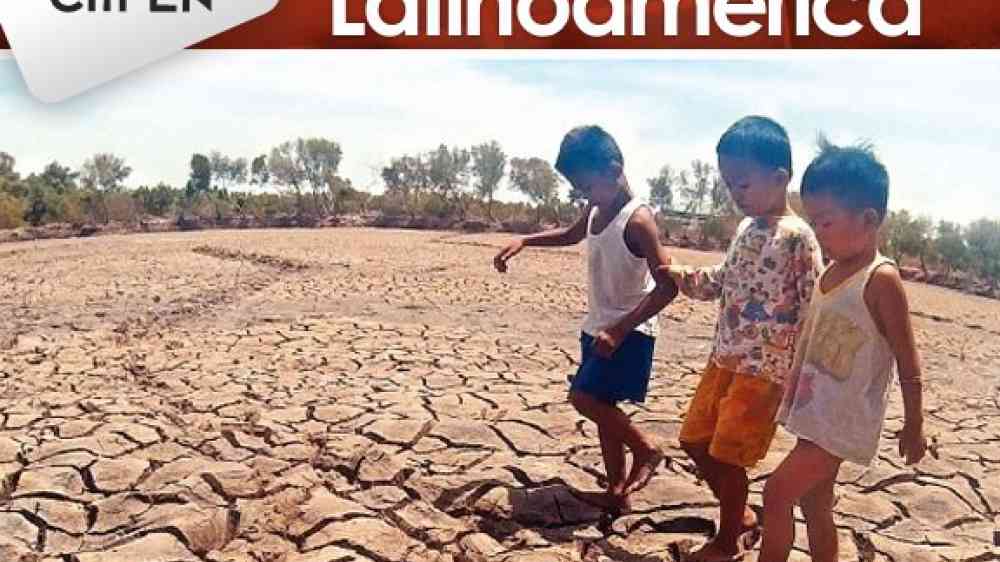
    This report examines the climate evolution of El Niño phenomenon In Latin America and the Caribbean, its impacts in different industries (agriculture, water management, health, infrastructure) and the governments and community responses. Lessons Learnt are highlighted in regards to better preparation and mitigation efforts for future events.
    Volunclima members
    Regional - Americas, Bolivia, Plurinational State of, Chile, Colombia, Ecuador, Venezuela, Bolivarian Rep of
    New
    Volunclima is a citizen science initiative managed by CIIFEN in which volunteers report precipitation, extreme hydrometeorological events, and drought. Reports are sent in near-real time via an IT platform to an open database. Network members strengthen their climate resilience through training, monitoring, and access to climate products.
    National (or local) - Japan
    New
    The ``Establishment of the Matsuyama City Disaster Prevention Education Promotion Council'' started in May 2019, and it is continuing to work on developing and fostering disaster prevention leaders in Matsuyama City, including within industry, government, academia, and citizens.
    National (or local) - El Salvador
    New
    Completed
    The project works on community access to risk reduction information and tools in El Salvador. The information empowers the community to know their right to participate and improves community's safety and preparedness.
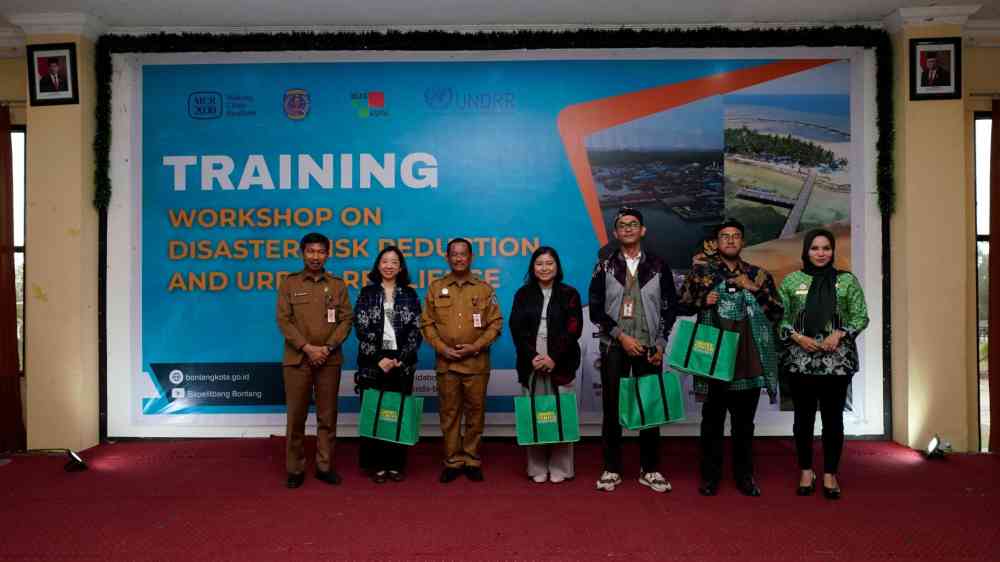
    Training Workshop on Disaster Risk Reduction and Urban Resilience in Bontang City
    National (or local) - Indonesia
    New
    Completed
    UCLG ASPAC received a request from its member, Bontang City to support the city’s disaster risk reduction and urban resilience efforts. In collaboration with the UNDRR, BNPB, and MoHA of Indonesia, UCLG ASPAC organised a training on DRR and Urban Resilience in Bontang on April 29-30, 2024.
    Brochure
    Regional - Africa
    New
    The DRR4Africa project seeks to improve the resilience of three African cities from climate-induced disasters by collaboratively identifying the biggest disaster threats, and developing solutions packages tailored to these cities.
    Retrofitting Workshop at Chandragiri ward 7, Kathmandu
    National (or local) - Nepal
    New
    Completed
    Youth for Good - Nepal conducted retrofitting workshops to enhance earthquake resilience in Nepal, focusing on using sustainable materials. Over 300 participants from Kathmandu district were trained, improving local capacity in disaster risk reduction and structural safety, aligning with the Sendai Framework for Disaster Risk Reduction.
    Collaborative Risk Assessment with Caldas Risk Management Team
    Regional - Americas, Bolivia, Plurinational State of, Brazil, Colombia, Ecuador, Guyana, Peru, Suriname, Venezuela, Bolivarian Rep of
    Completed
    The project involves systematizing and applying a comprehensive methodology to assess climate vulnerability, based on historical and geospatial data, emphasizing local participation, adaptation, and multisectoral governance, drawing on CIIFEN’s 10 years of experience
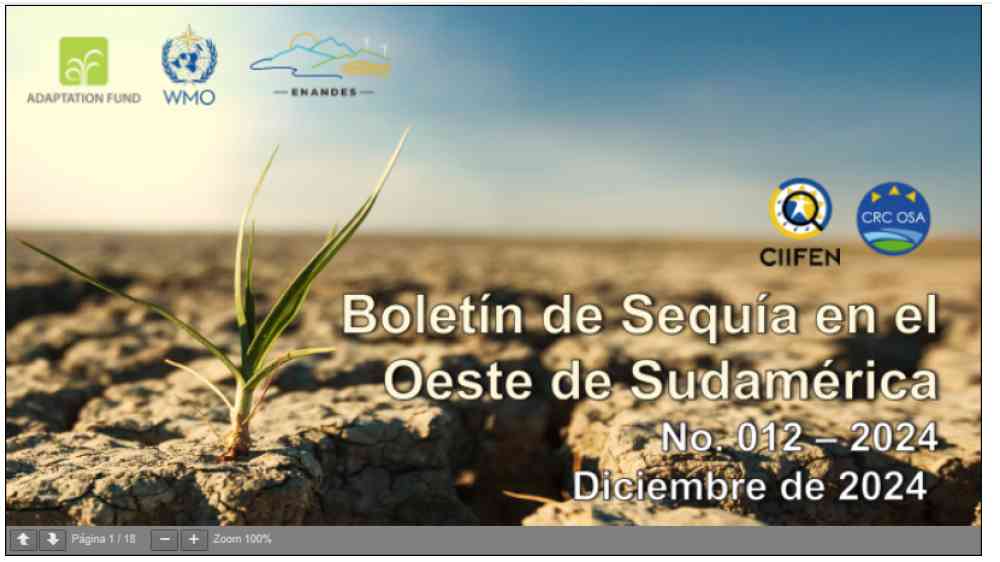
    CIIFEN's drought bulletin
    Regional - Americas, Bolivia, Plurinational State of, Chile, Colombia, Ecuador, Peru, Venezuela, Bolivarian Rep of
    New
    National drought monitors were built using routines that calculate a weighted mixed indicator from drought indices for Western South America countries: Venezuela, Colombia, Ecuador, Peru, Bolivia, and Chile. The analysis of the spatially integrated monitors and drought impacts are published on a monthly bulletin.
    A screenshot for an online meeting
    Regional - China, India, Indonesia, Malaysia, Nepal, Pakistan, Philippines
    New
    Completed
    The rollout of UCLG Resilience Module to support LGs in Asia Pacific
    SEM logo
    Global
    New
    Coordinating the UNDRR Stakeholder Engagement Mechanism (SEM), including developing and implementing the SEM Action Plan 2024-2025. Conducting its internal governance to improve SEM structure, coordination and effectiveness, and support the development of inclusive stakeholder engagement governance at all levels.
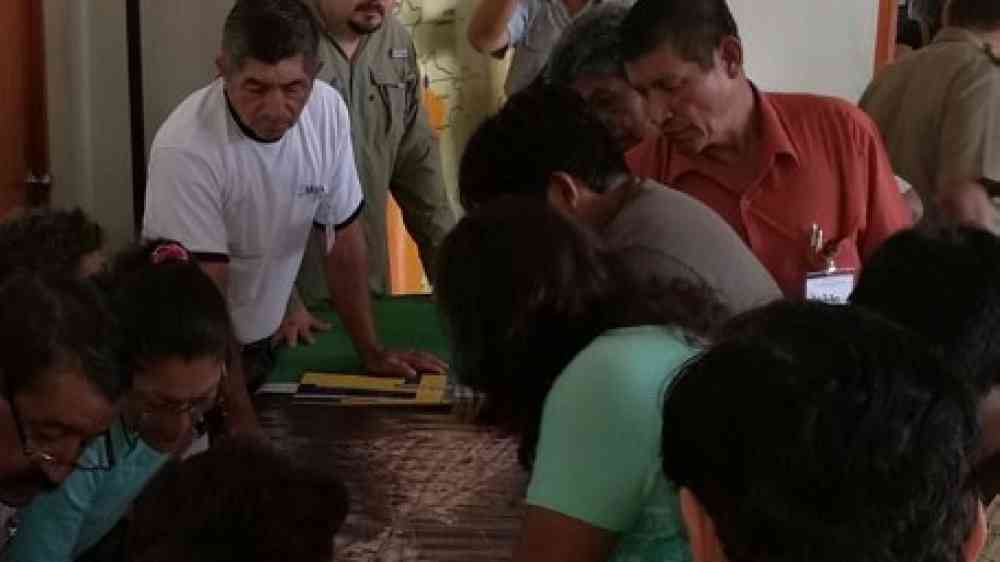
    Risk Management Workshop with Community in Querecotillo, Peru
    Regional - Bolivia, Plurinational State of, Colombia, Ecuador, Peru
    New
    Completed
    Methodology for implementing Early Warning Systems (EWS) for floods in binational basins, promoting risk reduction through monitoring, community participation, and strategic planning.
    Global
    New
    GNDR is the largest international network of civil society organisations (CSOs) committed to strengthen resilience and reduce risk in communities. We connect frontline CSOs with policymaking institutions and governments, influence policies and practices, and strengthen capacities.
    “Building a Local Government Alliance for Resilience in Asia-Pacific”  for disaster-affected cities in Palu City, Central Sulawesi, Indonesia
    National (or local) - Indonesia
    New
    Completed
    “Building a Local Government Alliance for Resilience in Asia-Pacific” for disaster-affected city, Palu, Indonesia. - Stakeholders Mapping & Needs Assessment of Post Disaster Rehabilitation - The LED/local small-micro enterprises/SMEs programme - The Development of Disaster Risk Assessment (KRB) - The Public Space & Memorial wall Construction
    National (or local) - India
    Completed
    Students learn better when schools are safe, secure, happy and comfortable. In places where daily stresses and disaster risks coincide, a holistic school safety initiative is required. We are committed to ensure children go to school without fear, remain safe in school and return home safely.
  • Map
  • Map

    Global
    41
    Africa
    23
    Europe
    21
    Asia
    147
    Americas
    53
    Oceania
    34
    Base map produced by United Nations Geospatial | Leaflet | Powered by Esri

    Use shift + scroll to zoom the map.

    The map reflects the number of countries/territories or regions covered by voluntary commitments. The numbers shown on the map represent the total commitments at the regional, national, and local levels. Regional voluntary commitments, which cover multiple countries, are counted together with national and local commitments to provide a comprehensive view of the engagement in each region.

    This map, the designations employed, and the presentation of the data do not imply the expression of any opinion whatsoever on the part of the United Nations Secretariat concerning the legal status of any country, territory, city or area, or of its authorities, or concerning the delineation of its frontiers or boundaries.