Youth for Good - Nepal conducted retrofitting workshops to enhance earthquake resilience in Nepal, focusing on using sustainable materials. Over 300 participants from Kathmandu district were trained, improving local capacity in disaster risk reduction and structural safety, aligning with the Sendai Framework for Disaster Risk Reduction.
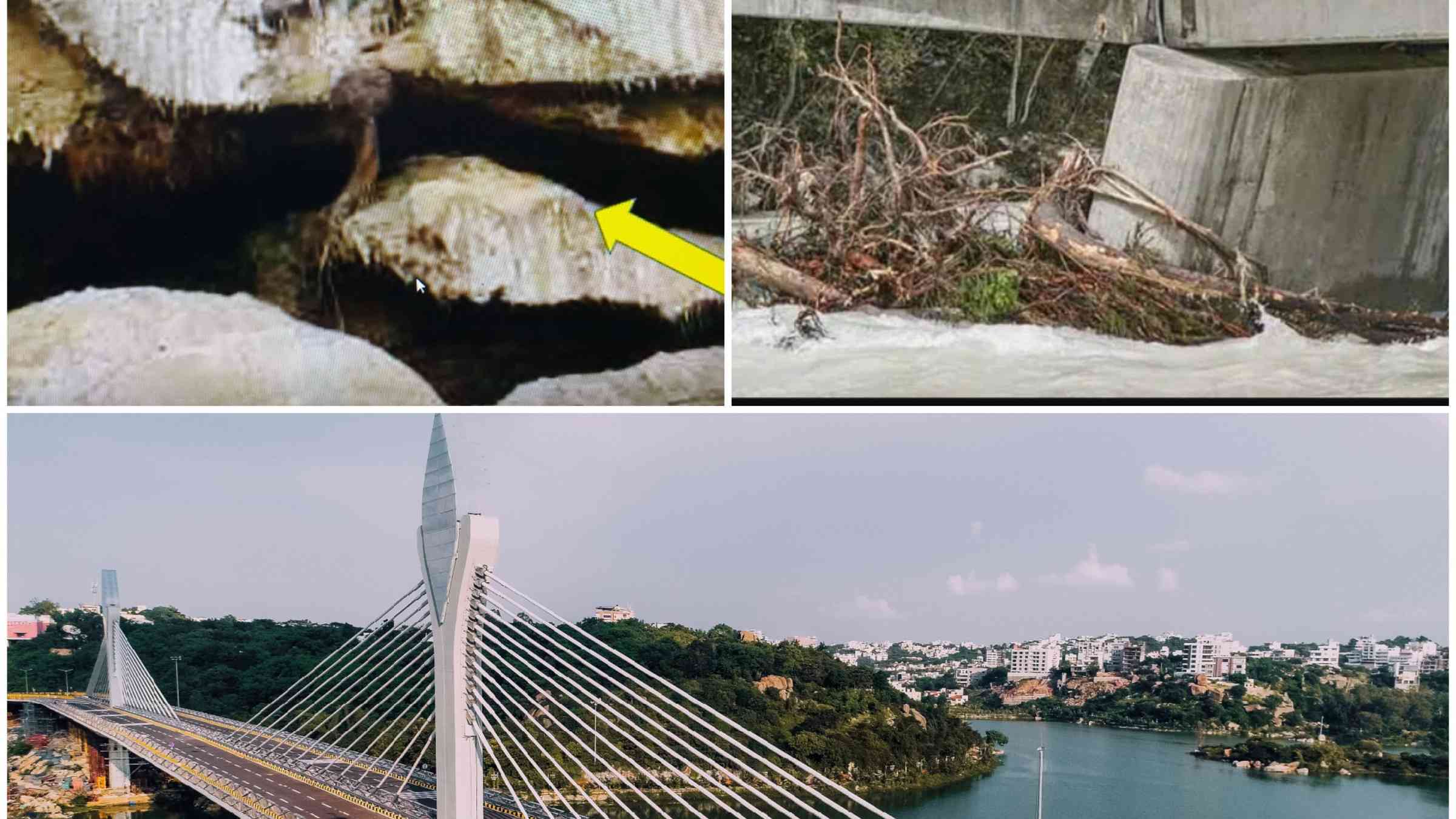
UBMS Research Group aims to evolve a tool using data from Global Analytics for Bridge Management for deteriorated bridges. This tool will enhance the resilience of bridges in high risk zones for natural hazards.
Queensland leads the nation in delivering betterment programs that demonstrate how upfront investments in stronger, more resilient assets, saves money for all levels of government in future disasters.
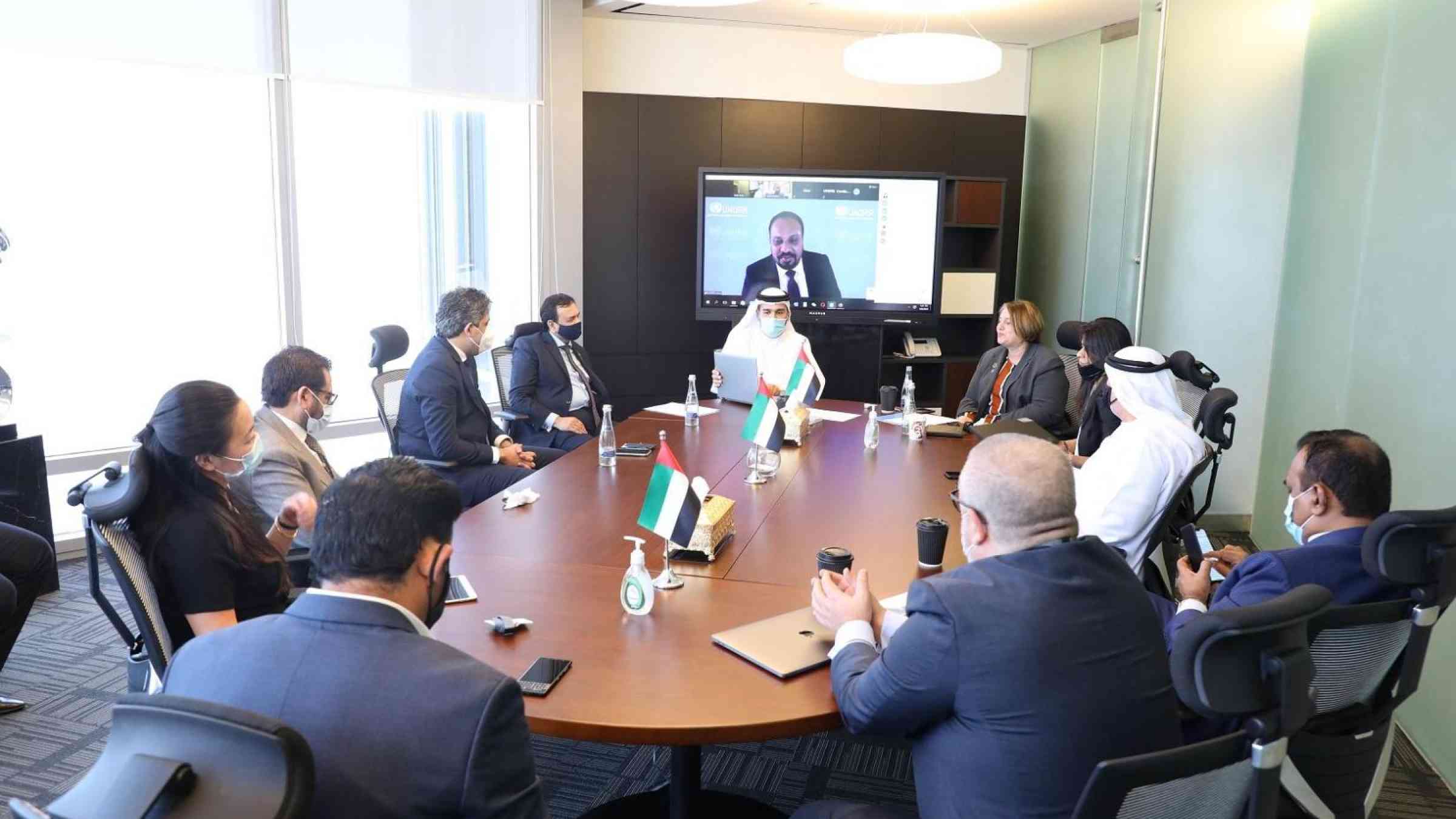
Acknowledging the critical role of the private sector in any given country and community, as employer, producer, exporter or investor. The group will work to integrate disaster risk disaster into business models and practices.
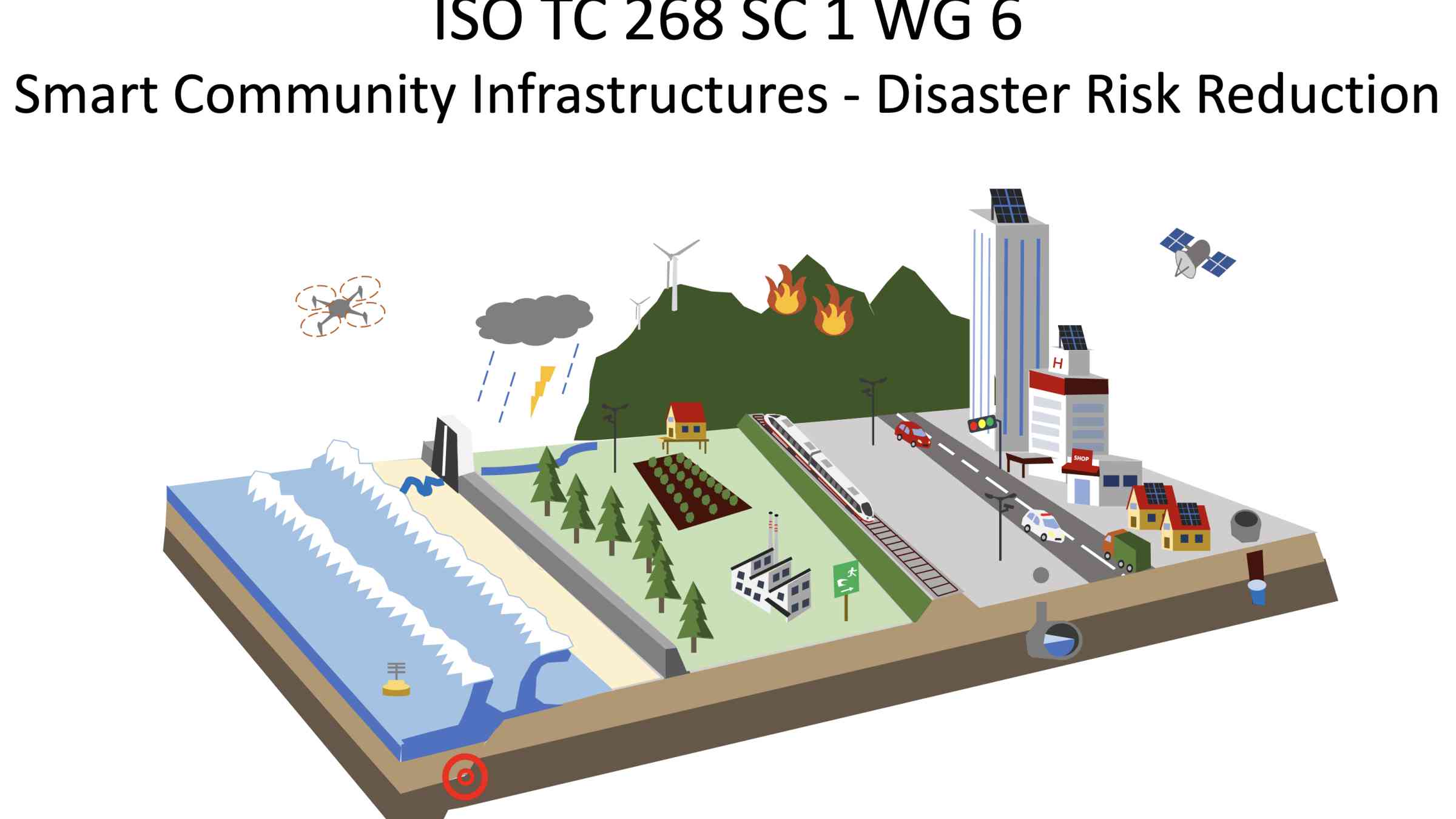
We are a working group under the International Organization for Standardization’s ISO TC 268 SC1 Smart Community Infrastructure. Our working group focuses on the standardization of smart community infrastructure which could strengthen community resiliency against potential disasters.
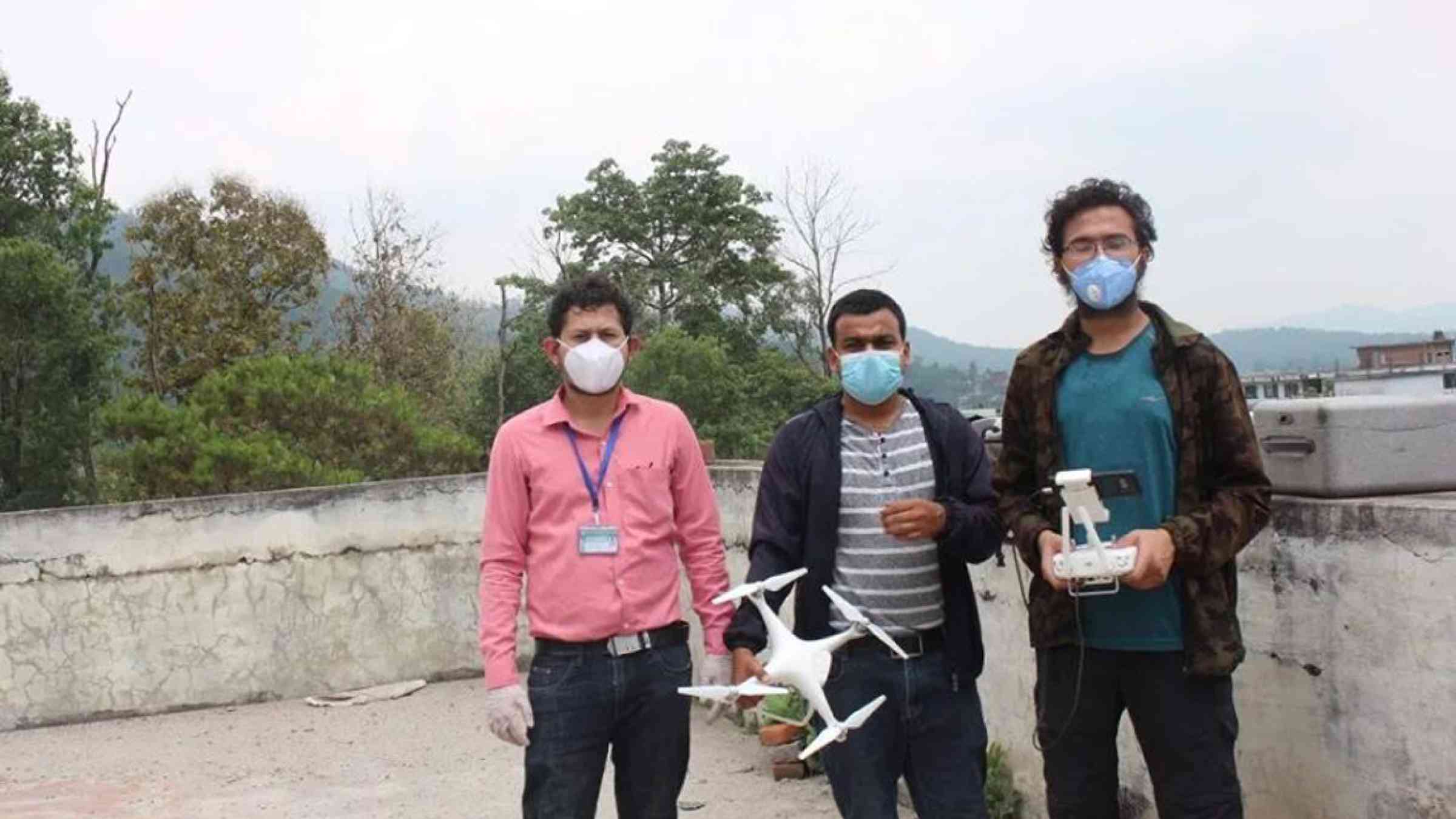
This commitment is implemented by the Institute of Himalayan Risk reduction (IHRR). Drones and geospatial technologies will be used to enhance disaster risk assessments and development planning at Hetauda Sub-Metropolitan City, Capital of Bagmati Province in Nepal.
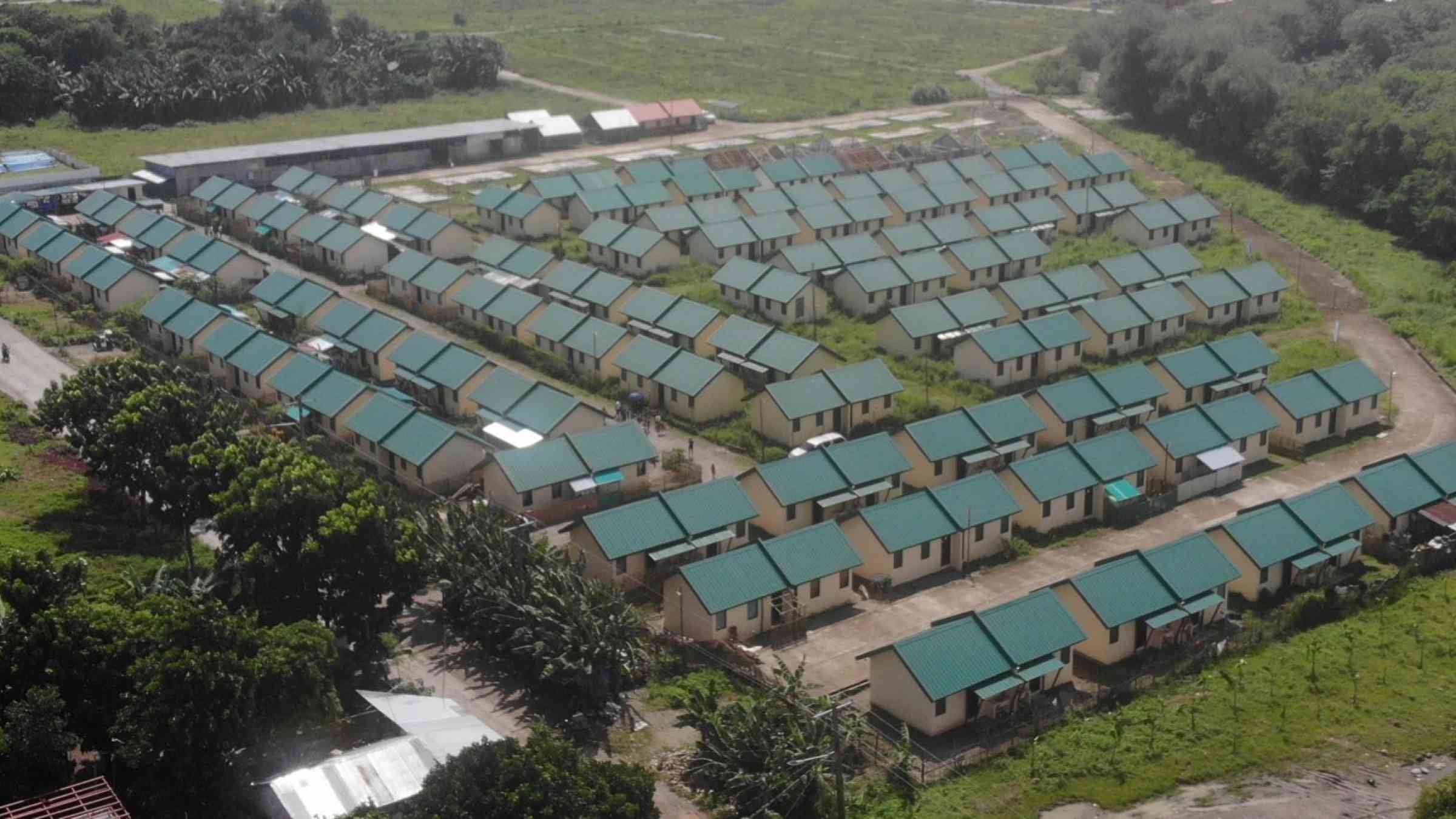
The project aims to build 10,000 housing units in Negros Occidental creating a housing ecosystem that enables low-income families to have access to land; safe and disaster resilient shelters through bamboo technology; and live in a clean, green and cohesive community.
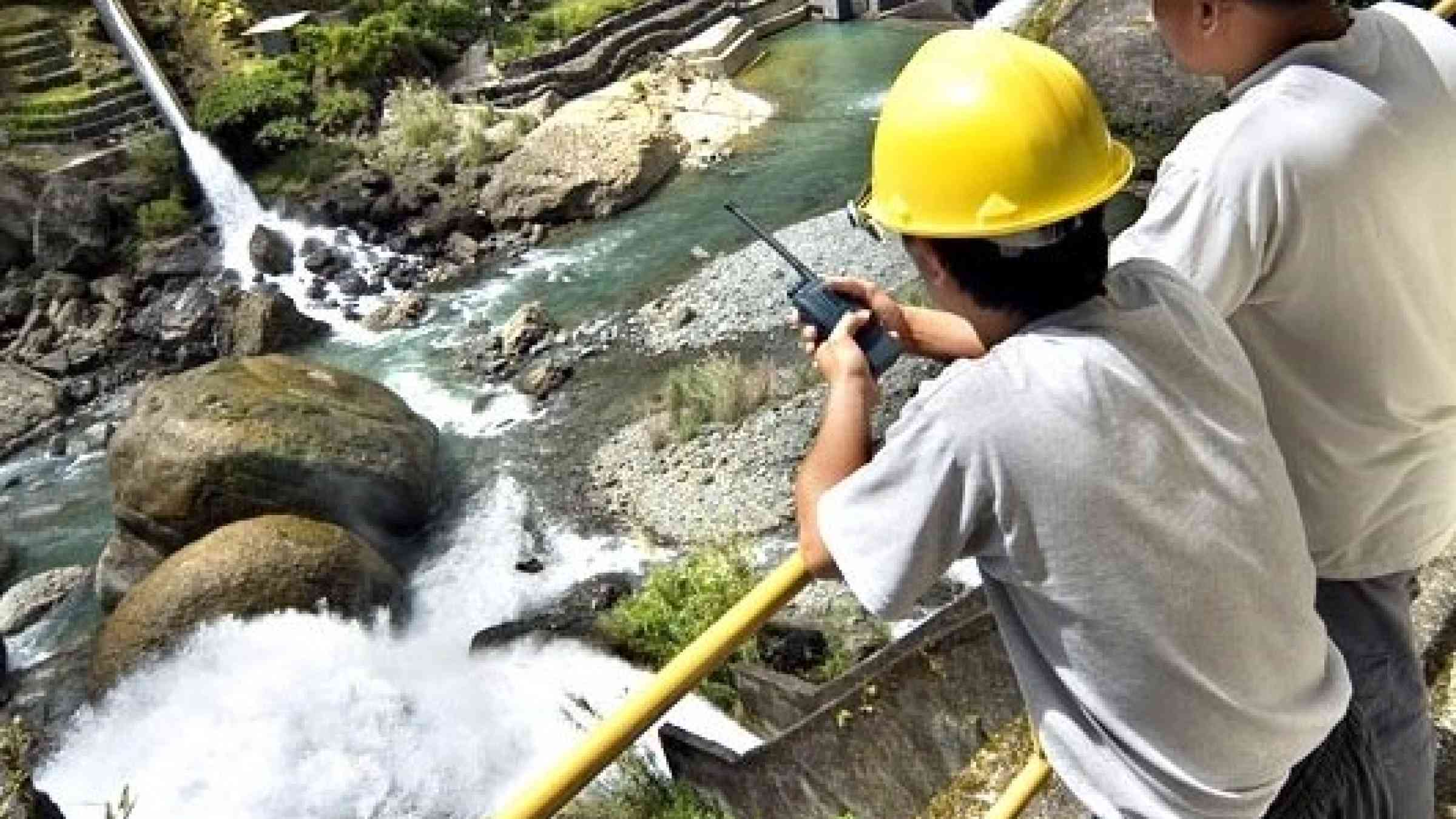
The Aboitiz Group is building its capacity to build resilience on climate change impacts to assets and its employees. In our goal to be climate change-resilient, we developed a system to identify and assess risks, and to provide our stakeholders with relevant and updated information.
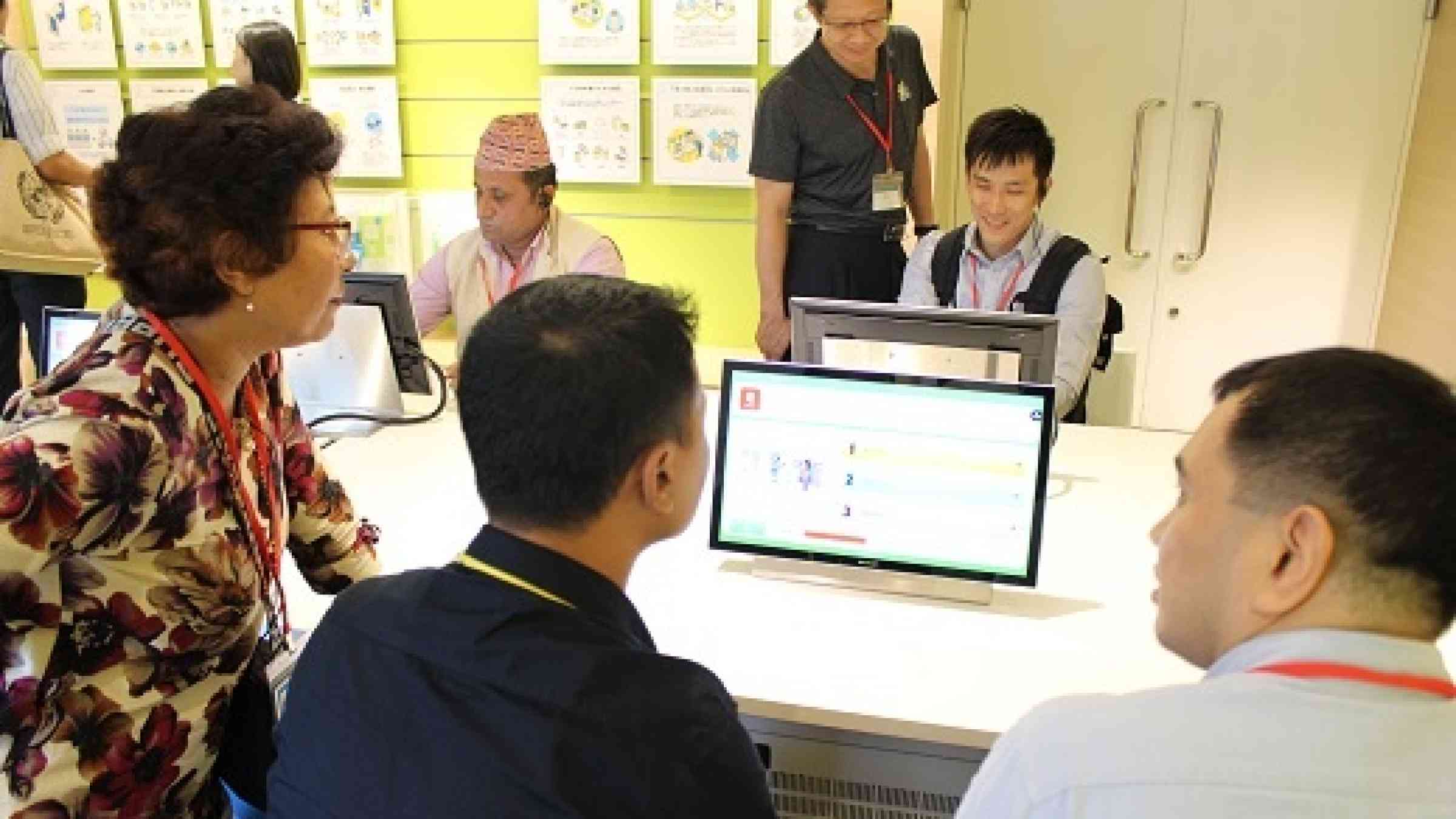
The CITYNET Disaster Cluster Seminar (DCS) is an annual seminar during which participants from local governments, industry, civil society organizations, and others working in DRR come together to share knowledge and best practices on DRR topics.
Himalayan Risk Research Institute (HRI) is building a platform for DRR young scientists including students, researchers and young professionals. This aims to enhance the skillset, facilitate, promote and build a scientific approach to DRR activities in Nepal.