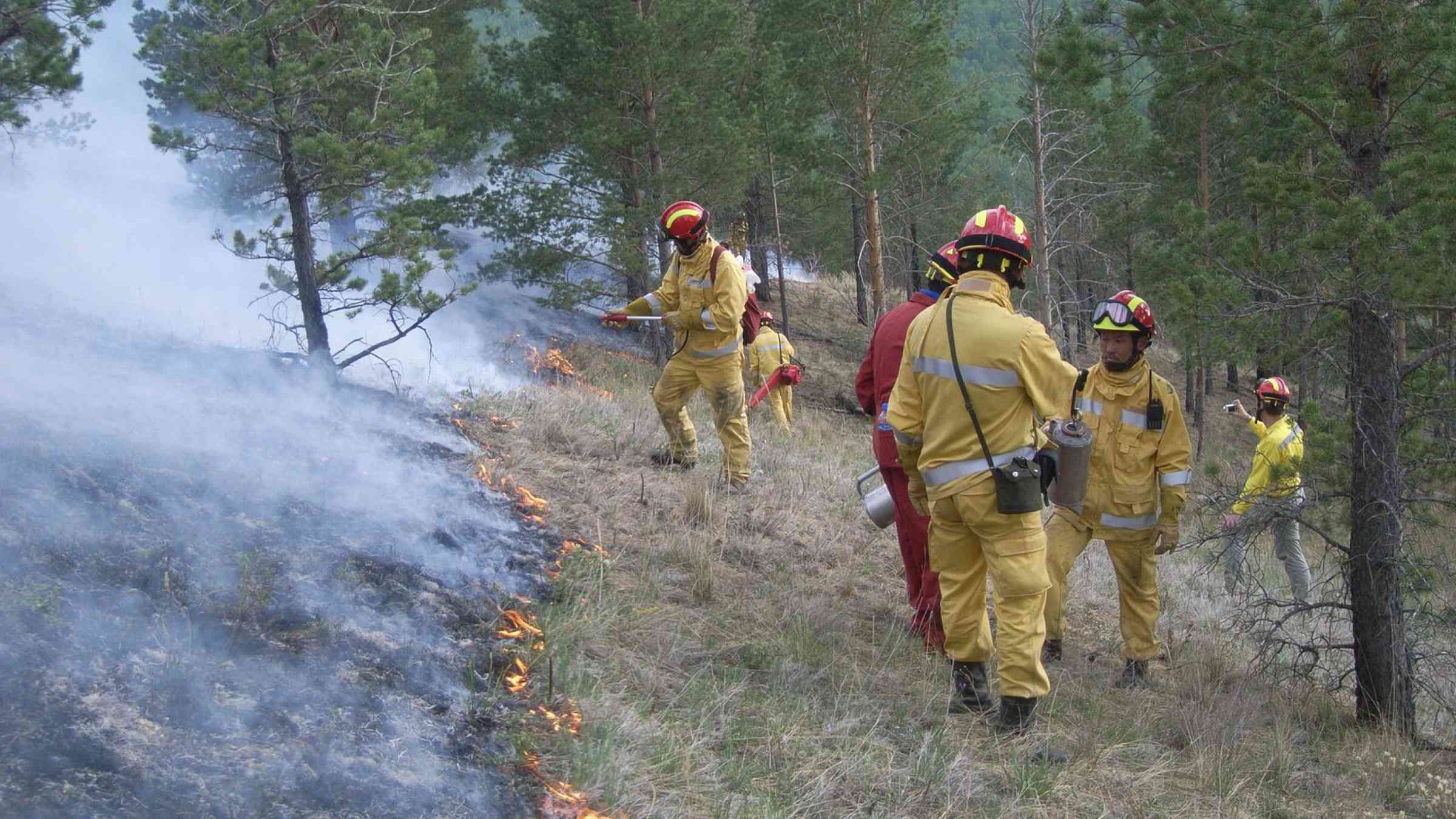
The mission of the IWPM is to support, on request, agencies and countries to build national capacity and resilience to wildfire through the exchange of best practice in landscape fire management
Regional - Americas, Bolivia, Plurinational State of, Chile, Colombia, Ecuador, Venezuela, Bolivarian Rep of
Volunclima is a citizen science initiative managed by CIIFEN in which volunteers report precipitation, extreme hydrometeorological events, and drought. Reports are sent in near-real time via an IT platform to an open database. Network members strengthen their climate resilience through training, monitoring, and access to climate products.
The project works on community access to risk reduction information and tools in El Salvador. The information empowers the community to know their right to participate and improves community's safety and preparedness.
‘Daraja’, meaning ‘bridge’ in Swahili, brings together the residents of informal settlements, national meteorological forecasters, city authorities and other actors to facilitate hazard awareness and improve climate resilience of vulnerable populations in informal settlements.
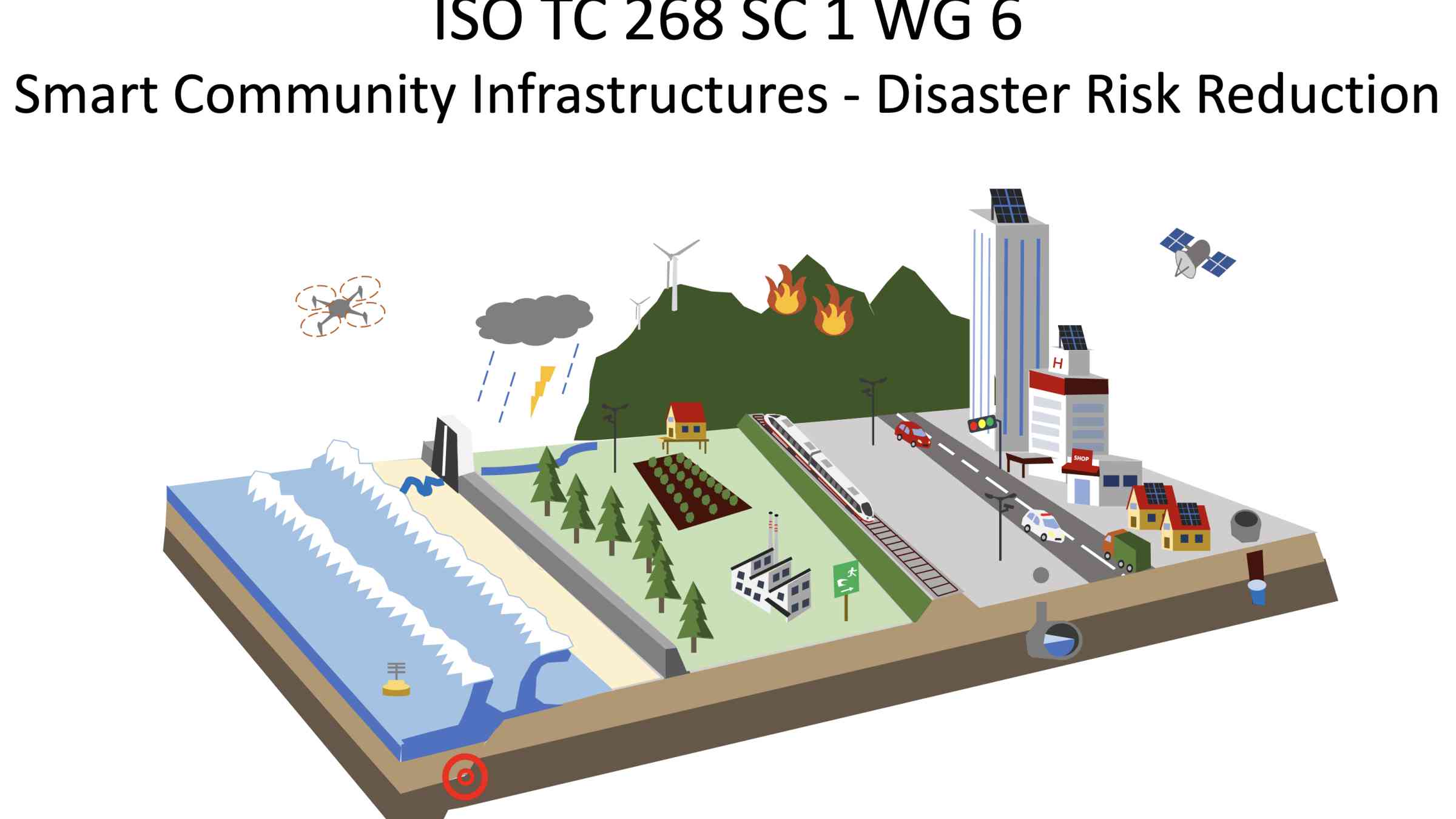
We are a working group under the International Organization for Standardization’s ISO TC 268 SC1 Smart Community Infrastructure. Our working group focuses on the standardization of smart community infrastructure which could strengthen community resiliency against potential disasters.
It is the event where citizens can learn disaster prevention and demonstrate daily activities through sessions, booth displays, experience-based activities, and other programs in order to pass on their experiences and lessons learned from the Great East Japan Earthquake to future DRR.
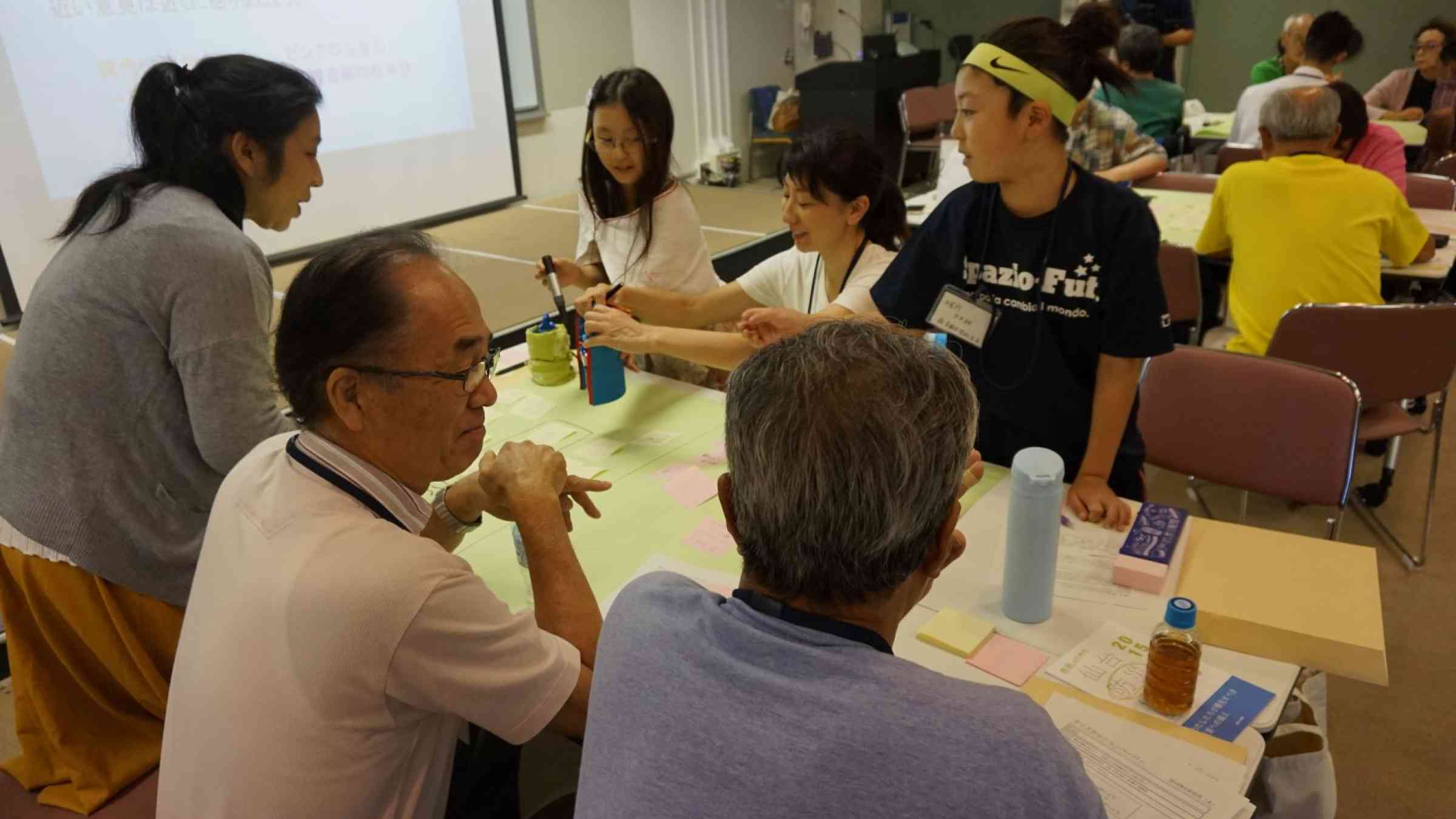
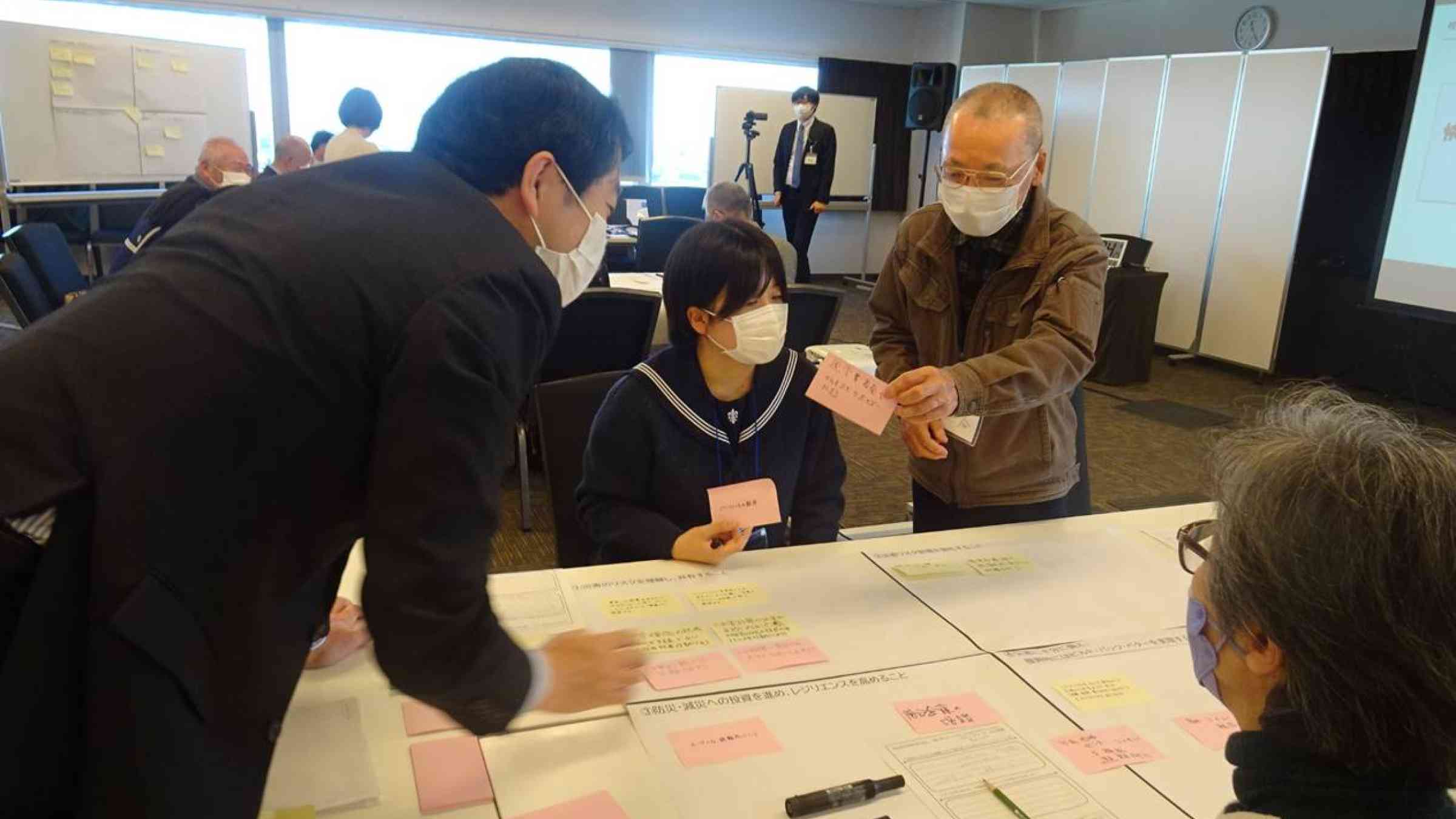
In cooperation with the International Research Institute of Disaster Science of Tohoku University (IRIDeS), Sendai City hosts “the Sendai Framework for DRR Seminar to provide the citizens” sink in, raise citizen’s awareness towards DRR, as well as to encourage voluntary commitment on DRR activities.
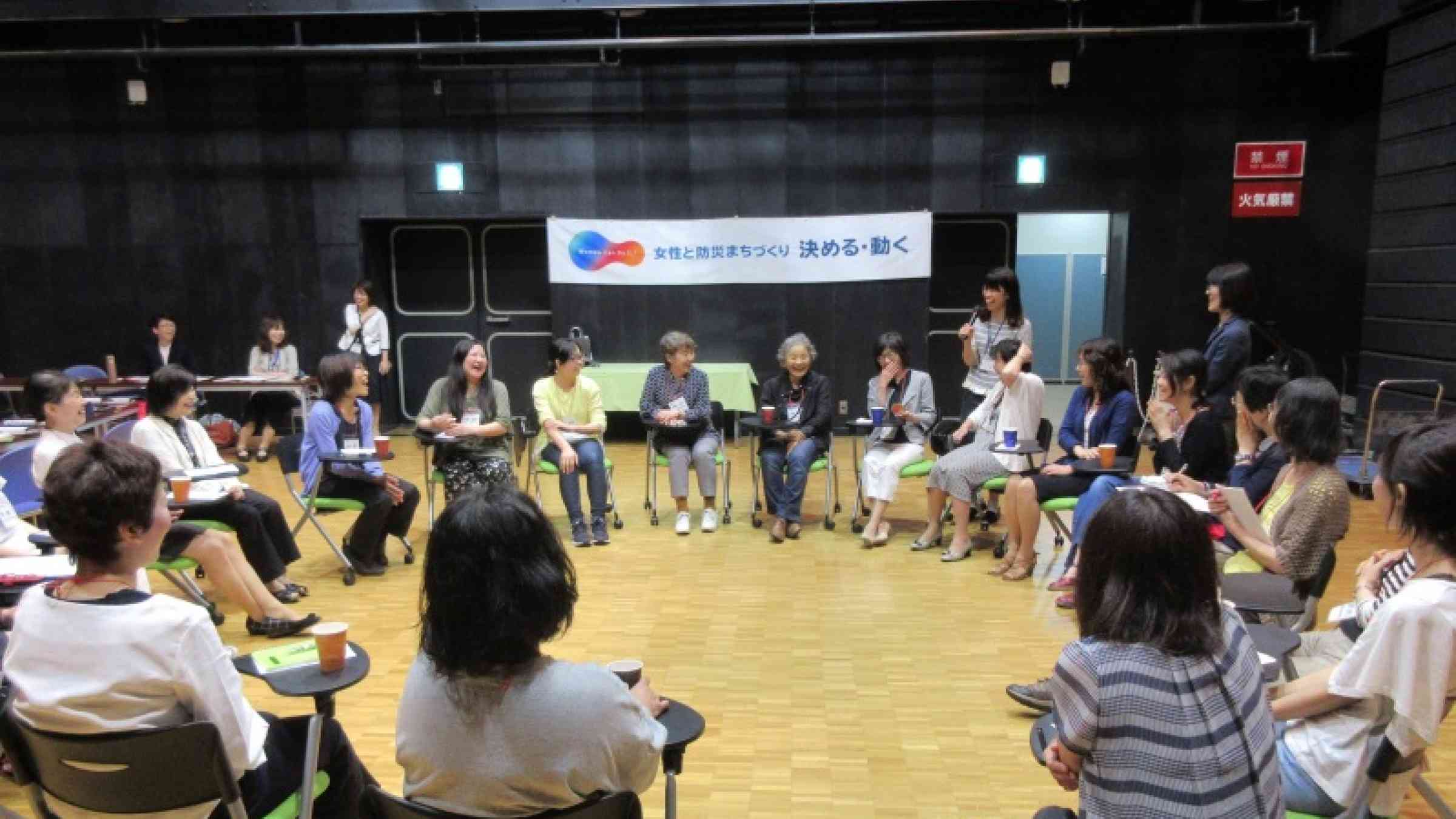
In the Sendai Framework, the importance of the promotion of women’s leadership was clearly stated. In order to achieve this goal, we offer a training program to promote the leadership of women who actively engage in community planning.
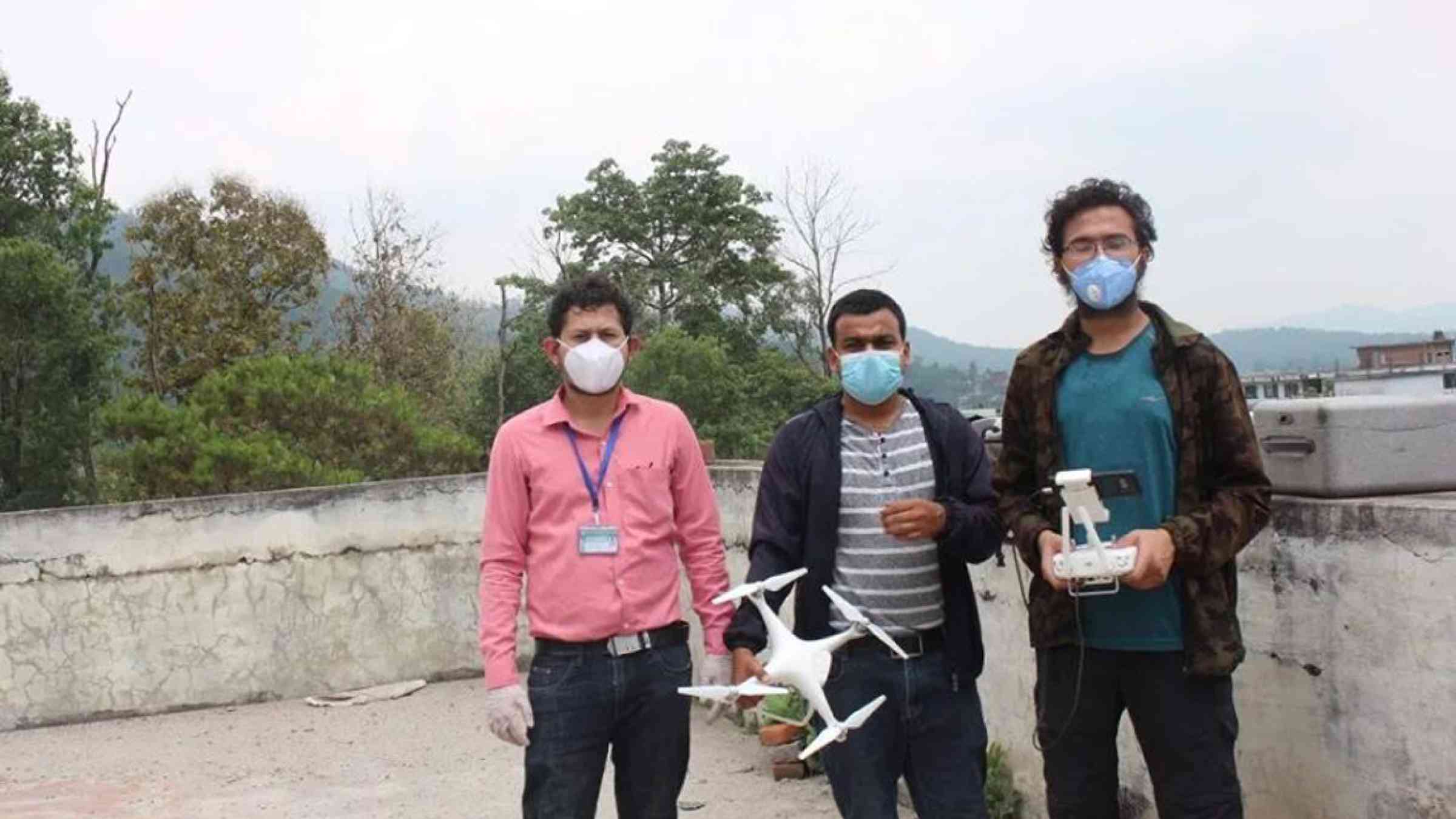
This commitment is implemented by the Institute of Himalayan Risk reduction (IHRR). Drones and geospatial technologies will be used to enhance disaster risk assessments and development planning at Hetauda Sub-Metropolitan City, Capital of Bagmati Province in Nepal.
Sendai City conducted its own Midterm Review of the implementation of the Sendai Framework, considering the importance of the local government level implementation of the Sendai Framework.