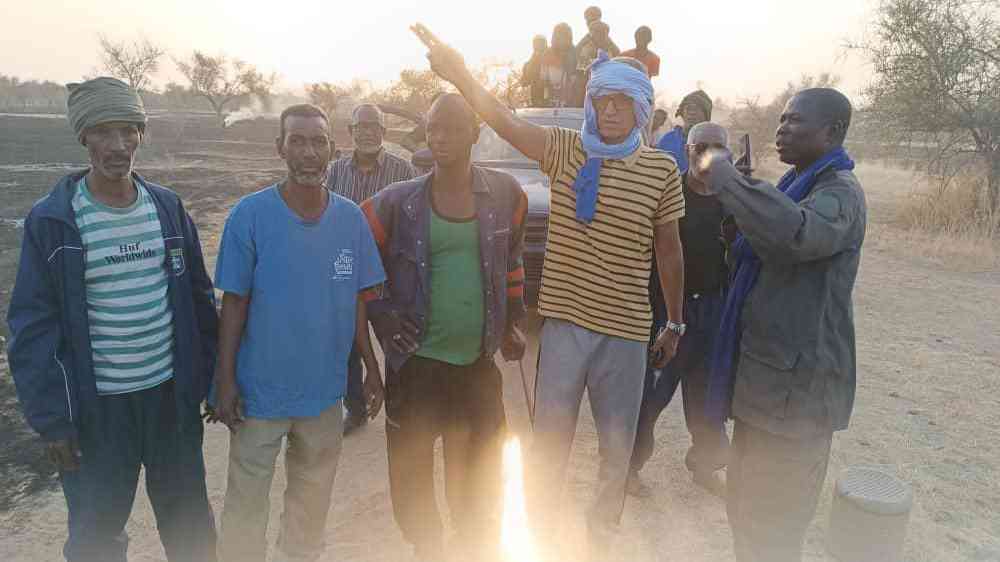
This commitment strengthens climate and disaster resilience in Guidimakha, Mauritania through community-led Nature-based Solutions (NbS) and eco-DRR, addressing floods, drought, heatwaves and wildfires, with a replication and learning window for Nouakchott’s coastal/littoral resilience (2026–2028).
The LAC Women’s Network for DRR unites 1,500+ leaders to advance gender-responsive, inclusive early warning systems in LAC, aligned with EW4All. By 2026, it will expand the Gender Observatory, share women-led resilience practices, build capacity, and advocate for risk systems reflecting community realities.
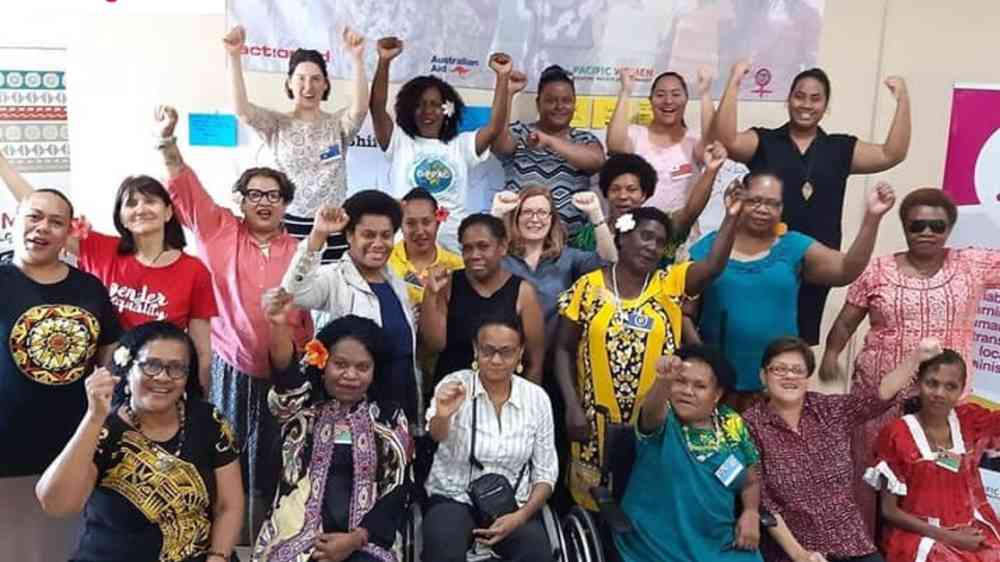
Shifting the Power Coalition is comprised of women’s rights and disability organisations across the Pacific region working together to strengthen diverse women’s voices, agency and decision making in disaster preparedness, response and recovery.
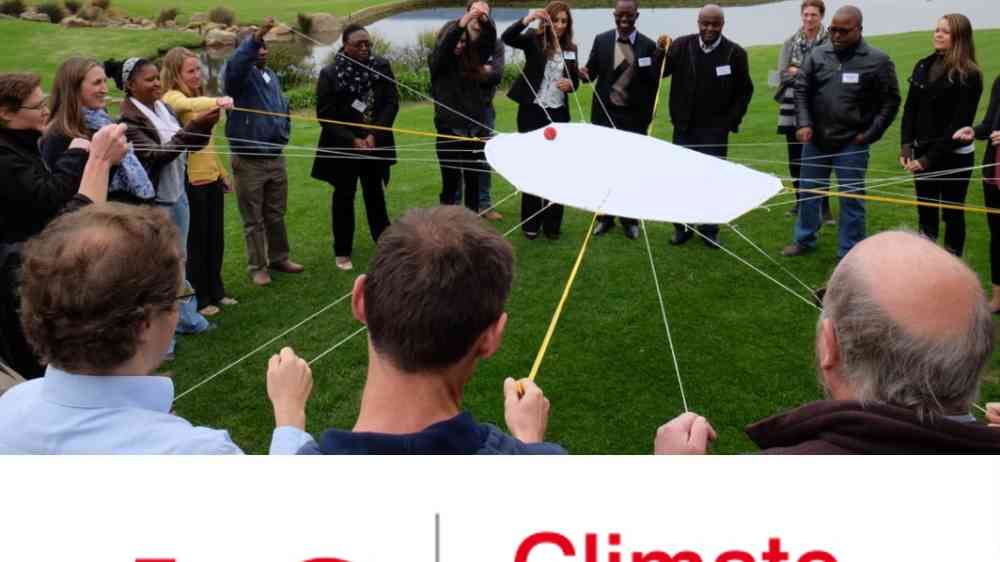
For this initiative, the Climate Centre and its partners have the goal of designing games about disaster preparedness and other humanitarian issues. Games can support the development of better governance and disaster risk management systems.
The project works on community access to risk reduction information and tools in El Salvador. The information empowers the community to know their right to participate and improves community's safety and preparedness.
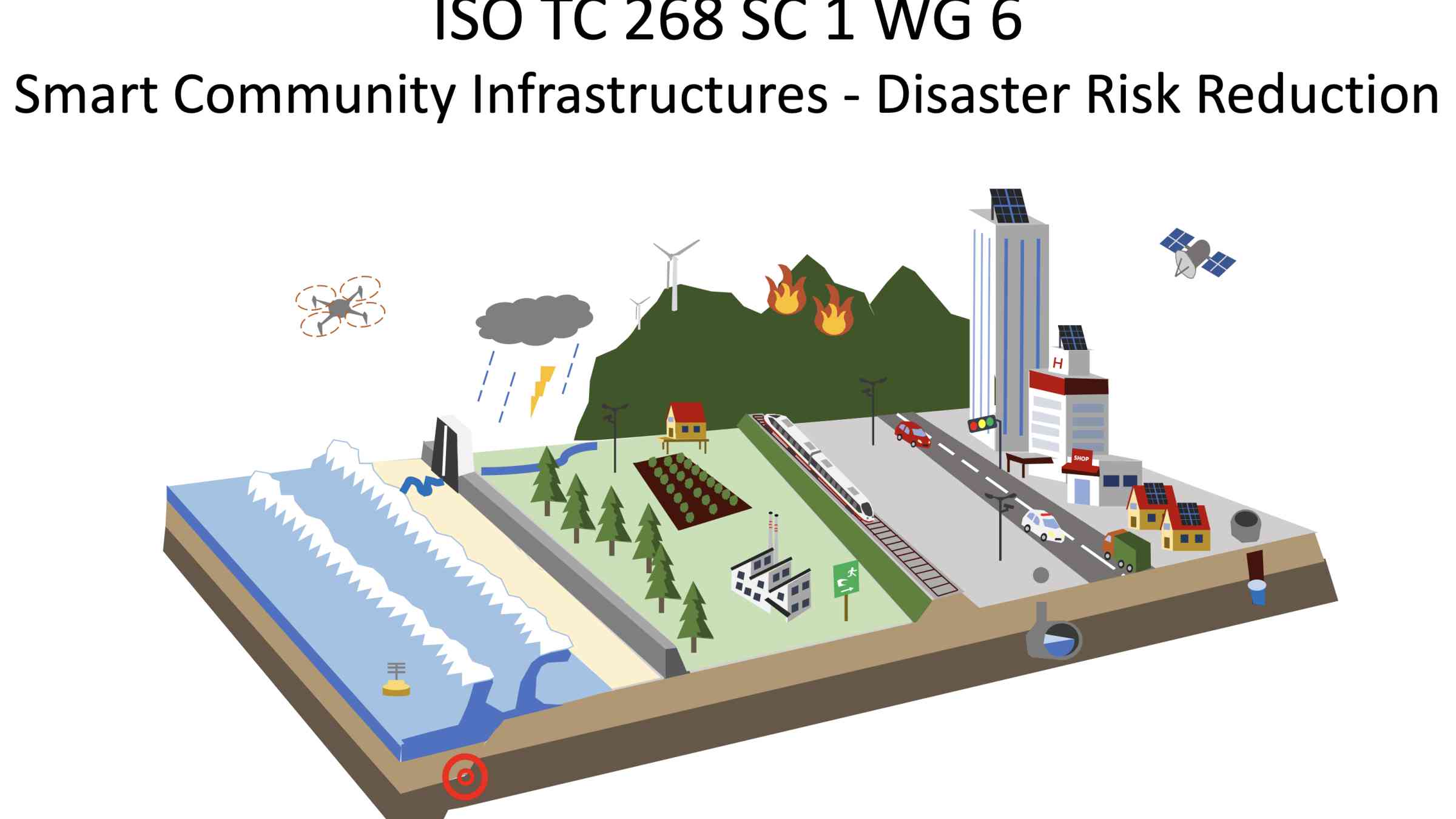
We are a working group under the International Organization for Standardization’s ISO TC 268 SC1 Smart Community Infrastructure. Our working group focuses on the standardization of smart community infrastructure which could strengthen community resiliency against potential disasters.
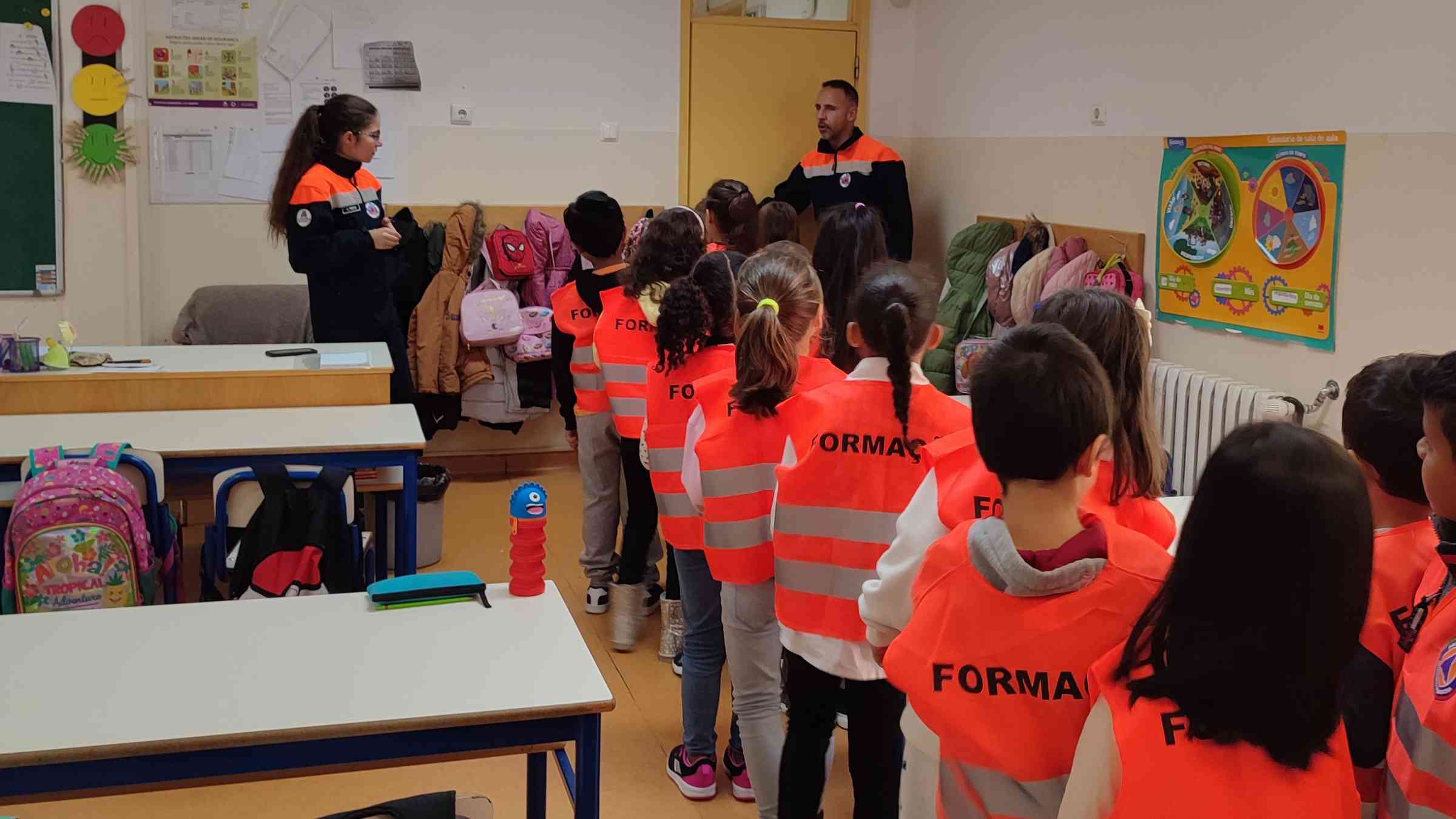
The development of awareness-raising programs to reduce risk is essential for the mobilization and participation of citizens in prevention and mitigation strategies, in order to increase public awareness of the risks existing in the municipality.
It is the event where citizens can learn disaster prevention and demonstrate daily activities through sessions, booth displays, experience-based activities, and other programs in order to pass on their experiences and lessons learned from the Great East Japan Earthquake to future DRR.
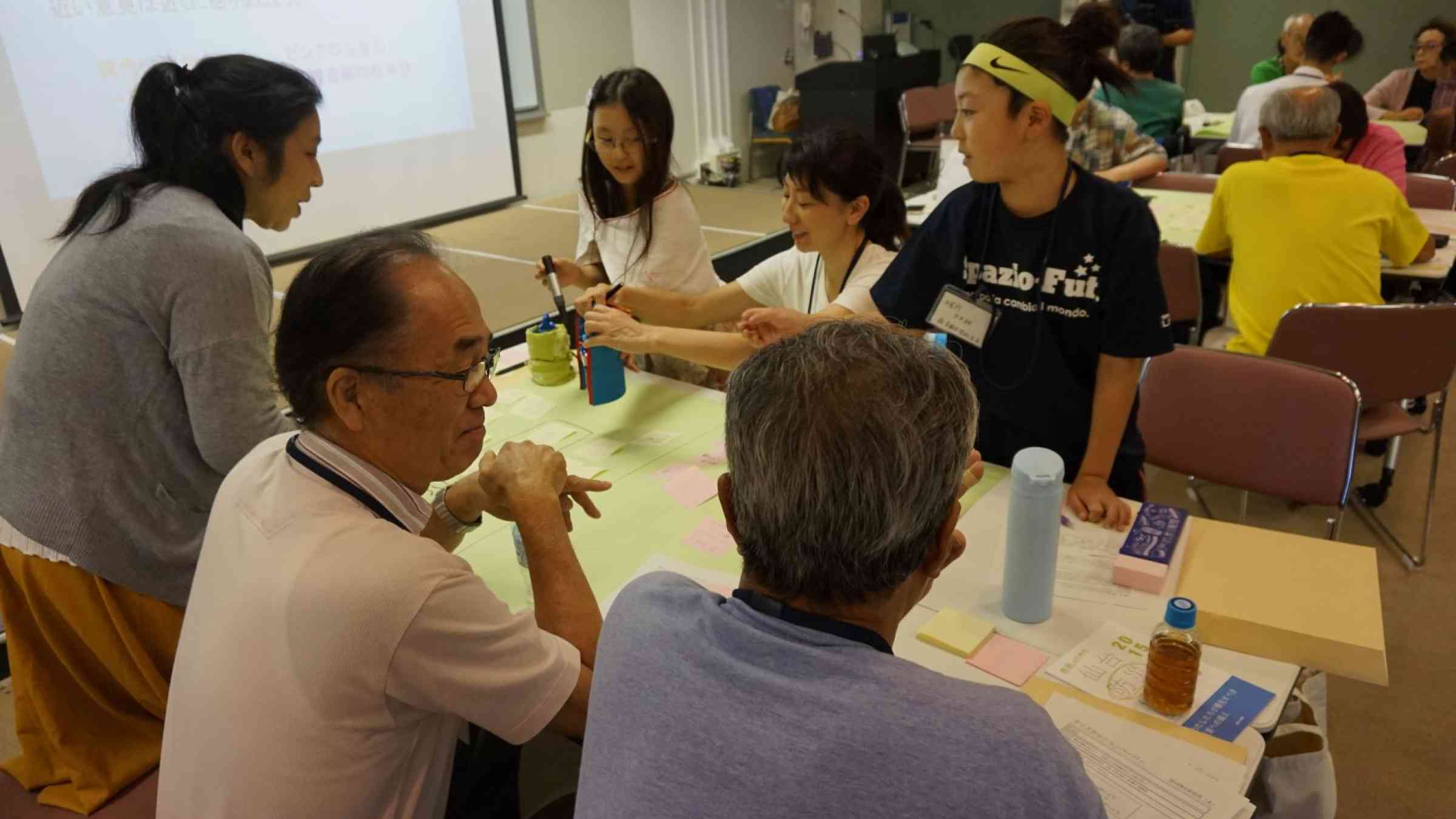
In cooperation with the International Research Institute of Disaster Science of Tohoku University (IRIDeS), Sendai City hosts “the Sendai Framework for DRR Seminar to provide the citizens” sink in, raise citizen’s awareness towards DRR, as well as to encourage voluntary commitment on DRR activities.
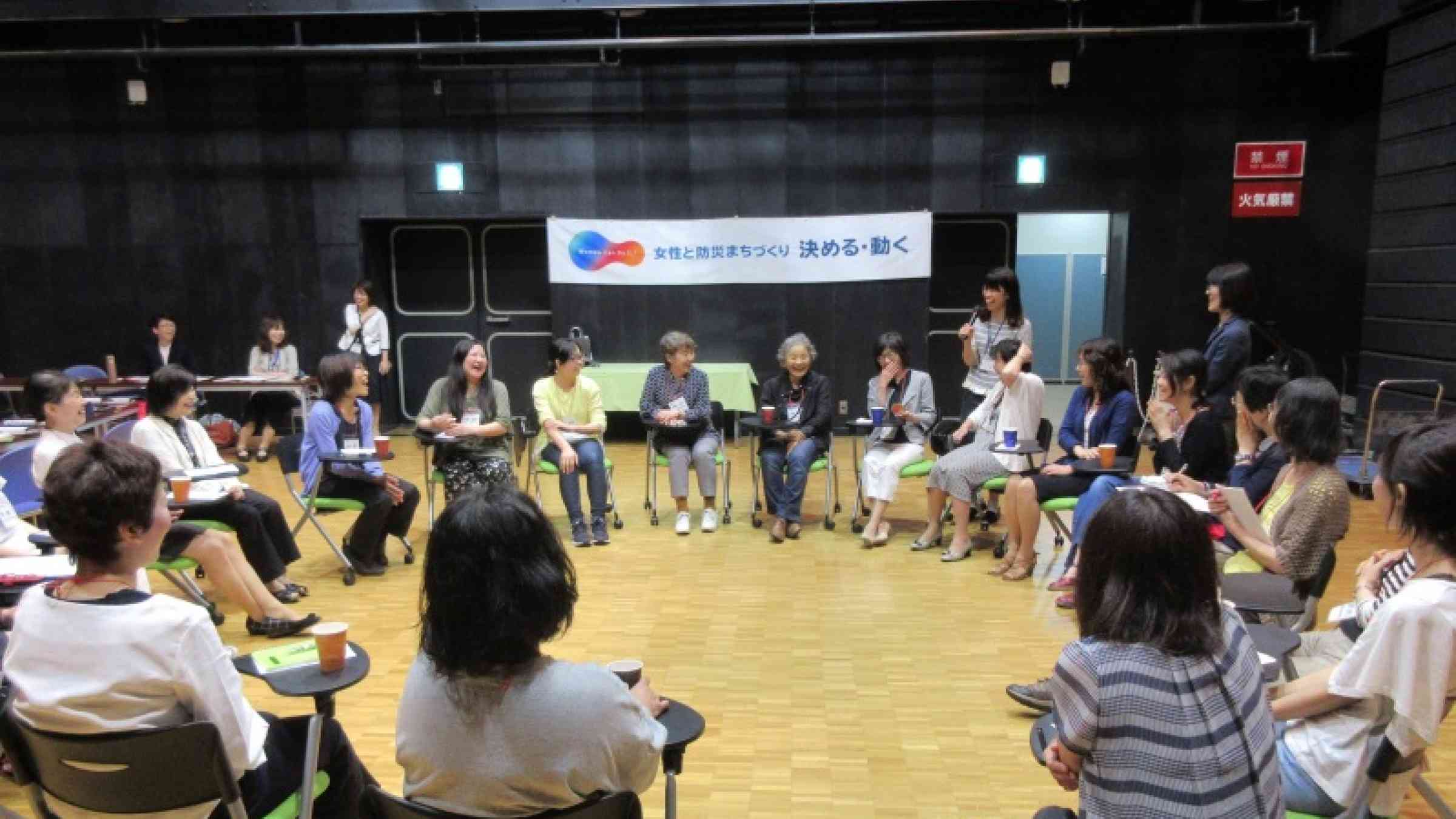
In the Sendai Framework, the importance of the promotion of women’s leadership was clearly stated. In order to achieve this goal, we offer a training program to promote the leadership of women who actively engage in community planning.