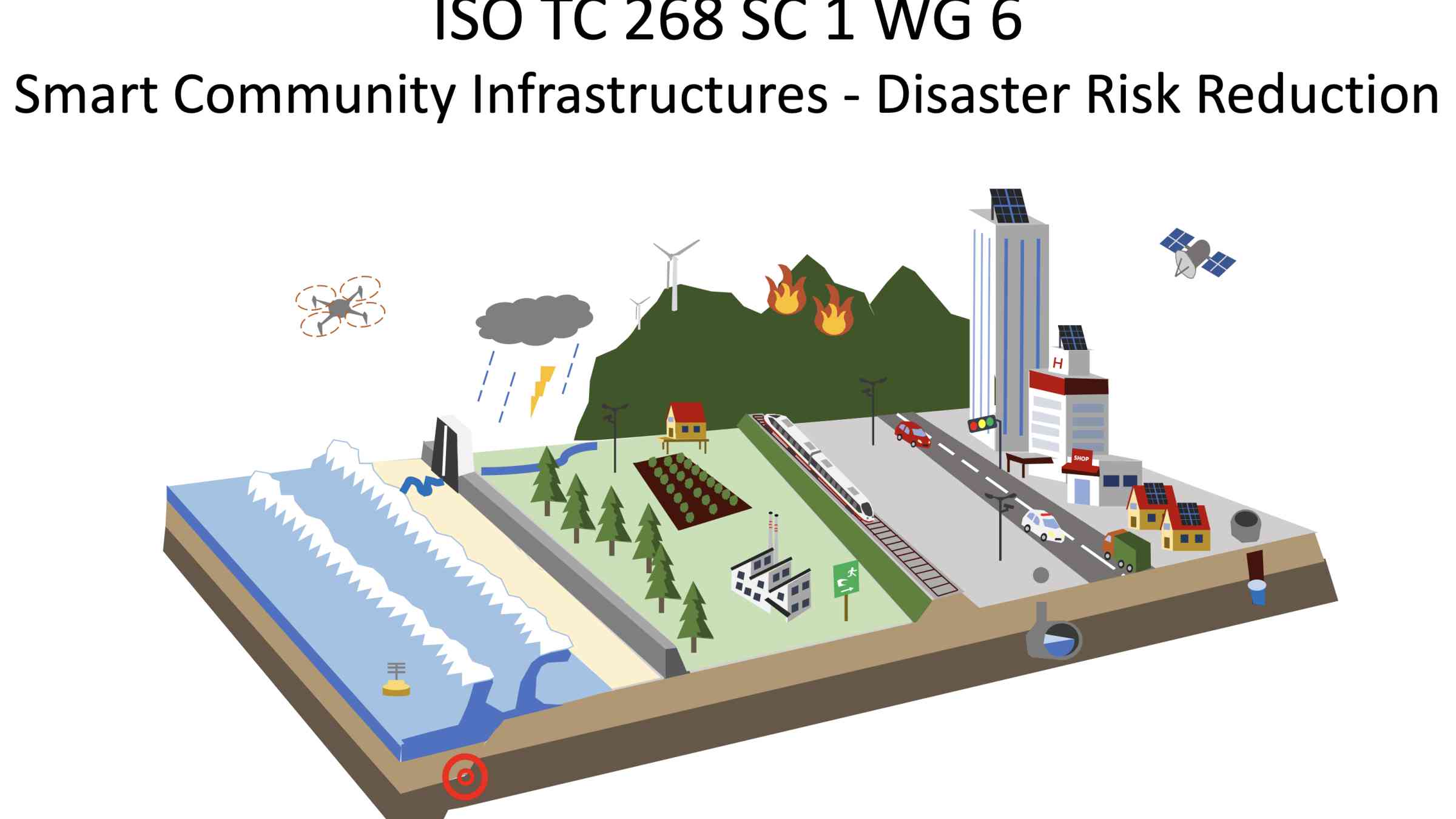
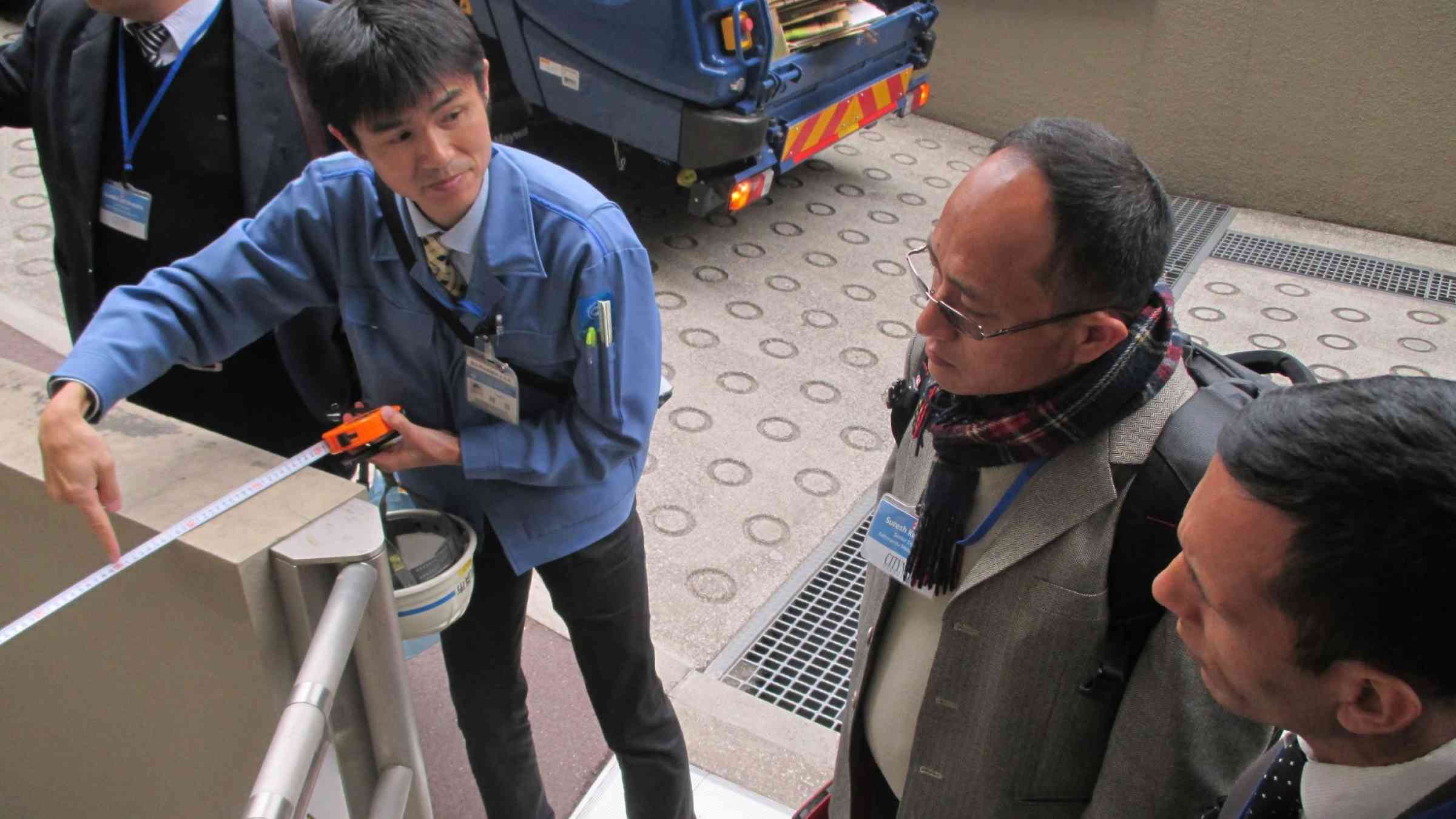
We are a working group under the International Organization for Standardization’s ISO TC 268 SC1 Smart Community Infrastructure. Our working group focuses on the standardization of smart community infrastructure which could strengthen community resiliency against potential disasters.
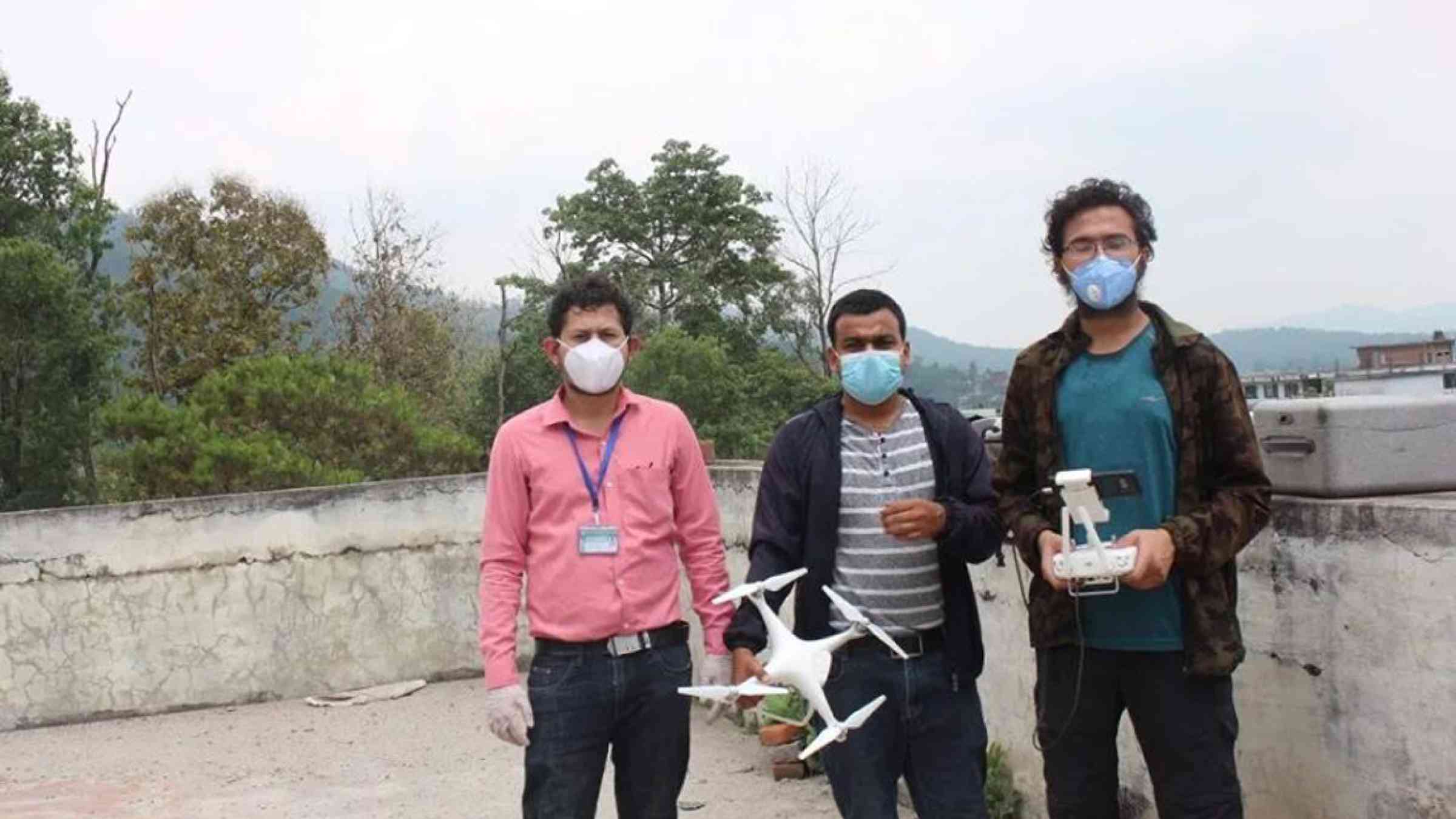
This commitment is implemented by the Institute of Himalayan Risk reduction (IHRR). Drones and geospatial technologies will be used to enhance disaster risk assessments and development planning at Hetauda Sub-Metropolitan City, Capital of Bagmati Province in Nepal.
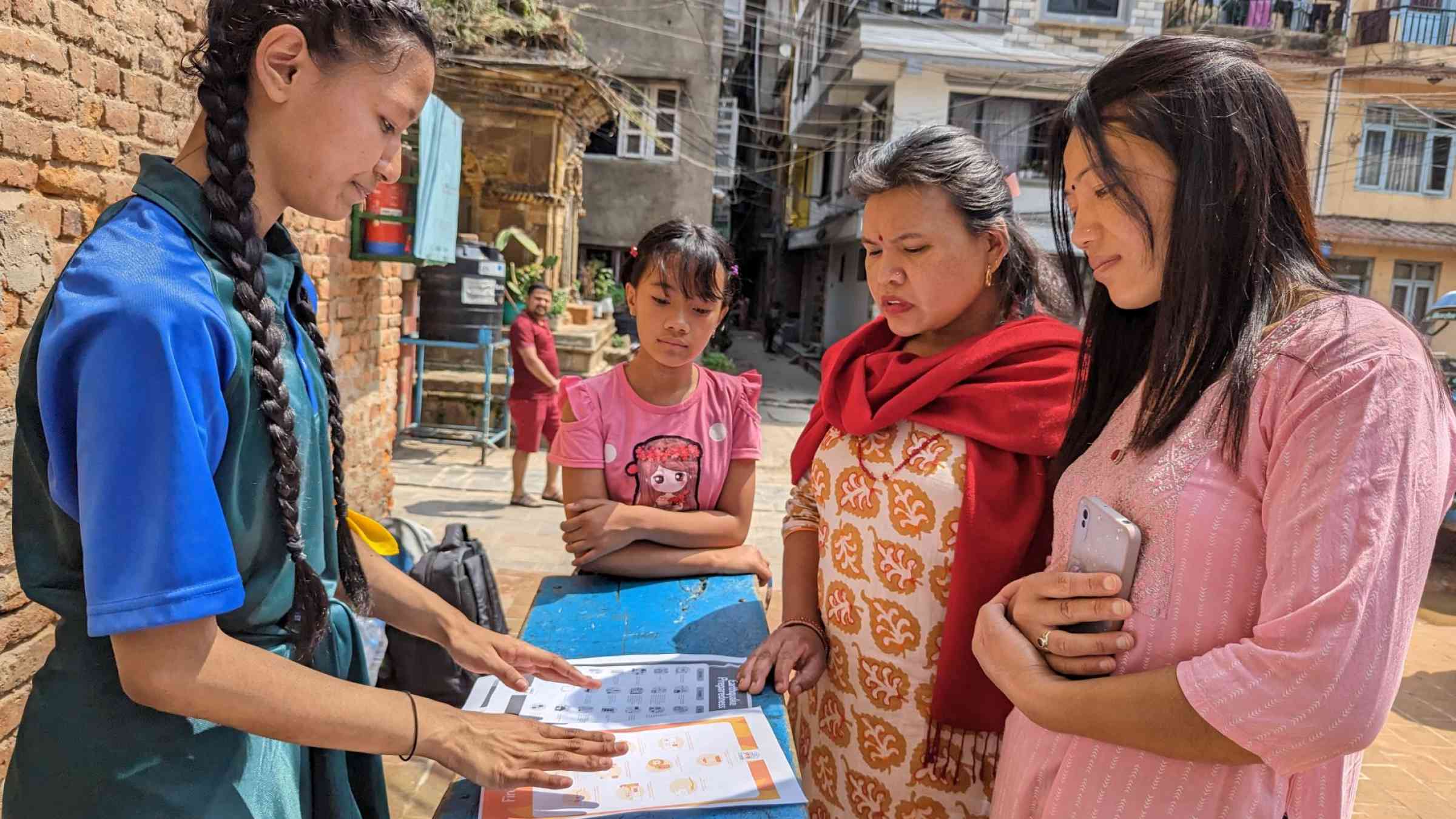
The project aims to propagate disaster education from DRR education clubs of schools to its respective communities through interactive games and tools designed both for children and adults learn about risks and its countermeasures effectively.
PREDIKT is an innovative toolkit to promote children as agents of change in building resilience in their homes, in schools, and in local communities, using an innovative toolkit in a fun and interactive way. We aim to produce and deliver the toolkit to at least 100,000 families by 31 December 2023.
Himalayan Risk Research Institute (HRI) is building a platform for DRR young scientists including students, researchers and young professionals. This aims to enhance the skillset, facilitate, promote and build a scientific approach to DRR activities in Nepal.
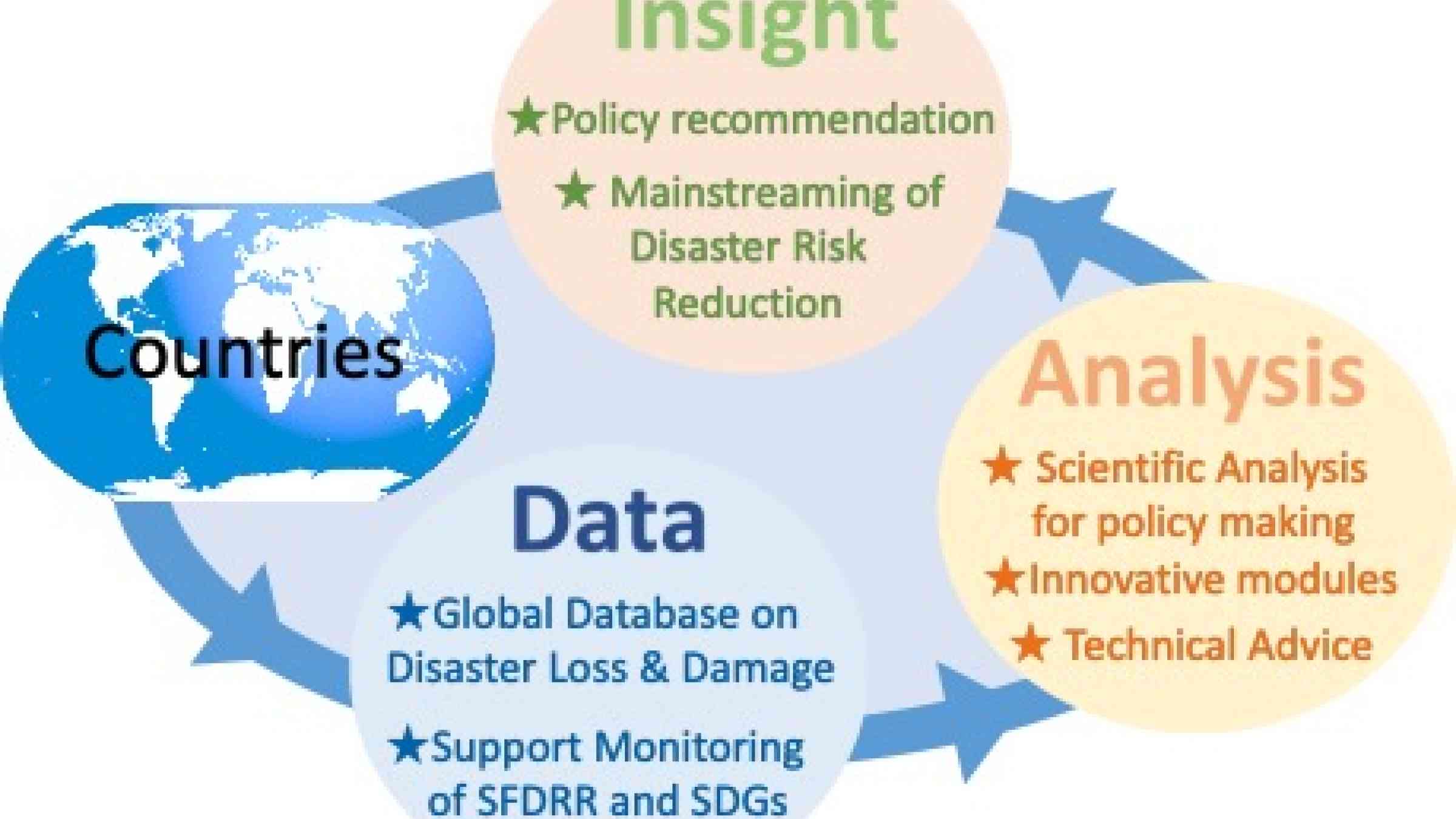
The Global Centre for Disaster Statistics (GCDS) aims to support the monitoring and evaluation of progress in the implementation of the Sendai Framework for Disaster Risk Reduction, in its seven global targets.
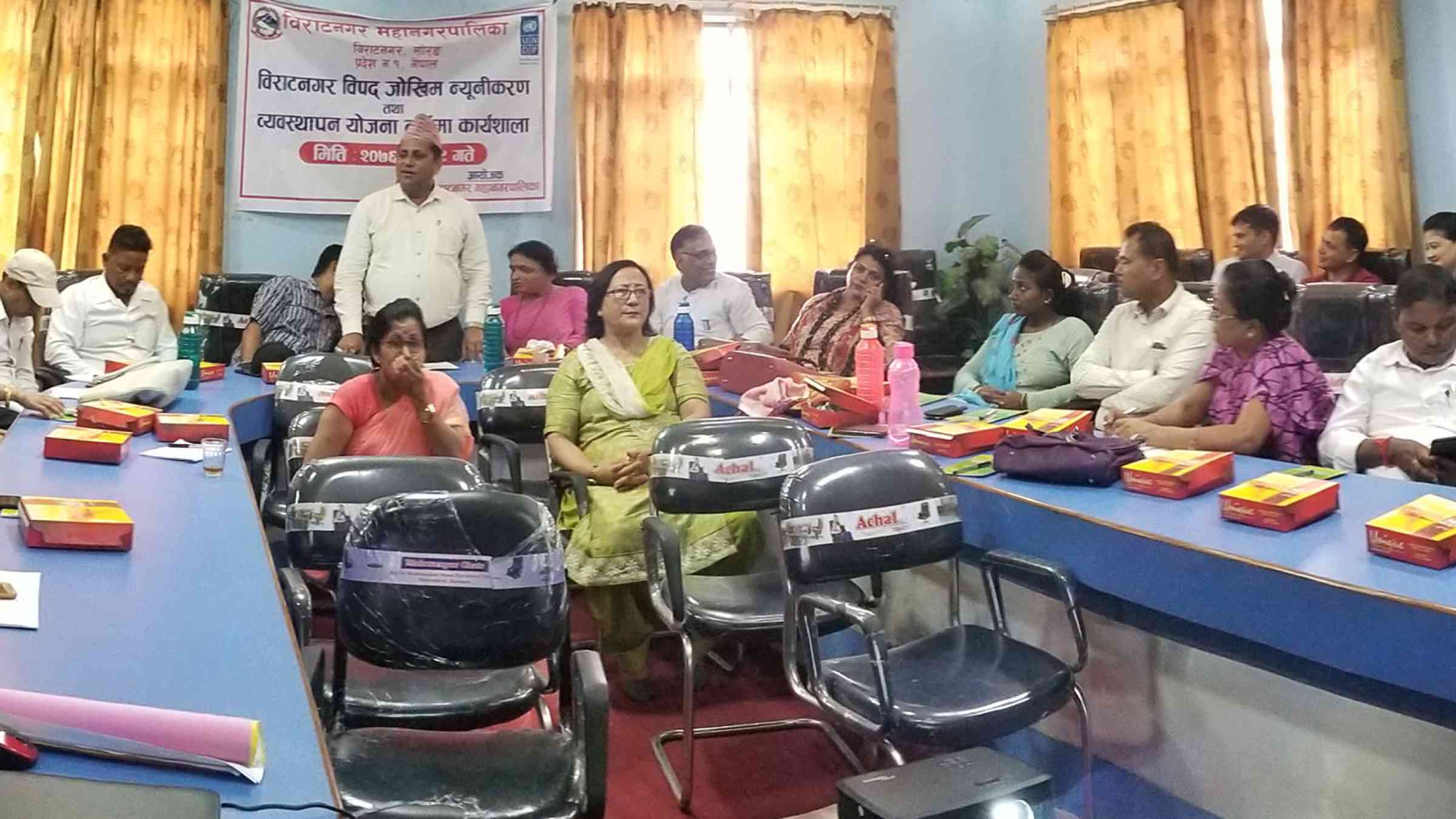
Provincial Government of Province 1, Nepal is going to formulate key policy documents as Disaster Resilient Policy, Strategic Action Plan, Disaster Response Framework, and Disaster Impact Assessment Guideline in the year 2019.