E-2 (Compound): Percentage of local governments that have adopted and implemented local disaster risk reduction strategies in line with national strategies
E-2 (Compound): Percentage of local governments that have adopted and implemented local disaster risk reduction strategies in line with national strategies
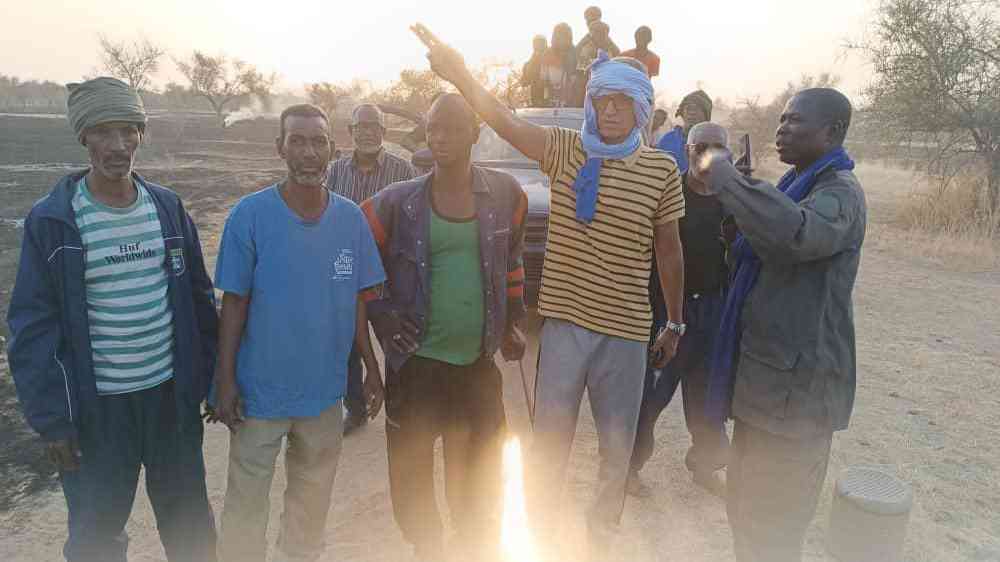
This commitment strengthens climate and disaster resilience in Guidimakha, Mauritania through community-led Nature-based Solutions (NbS) and eco-DRR, addressing floods, drought, heatwaves and wildfires, with a replication and learning window for Nouakchott’s coastal/littoral resilience (2026–2028).
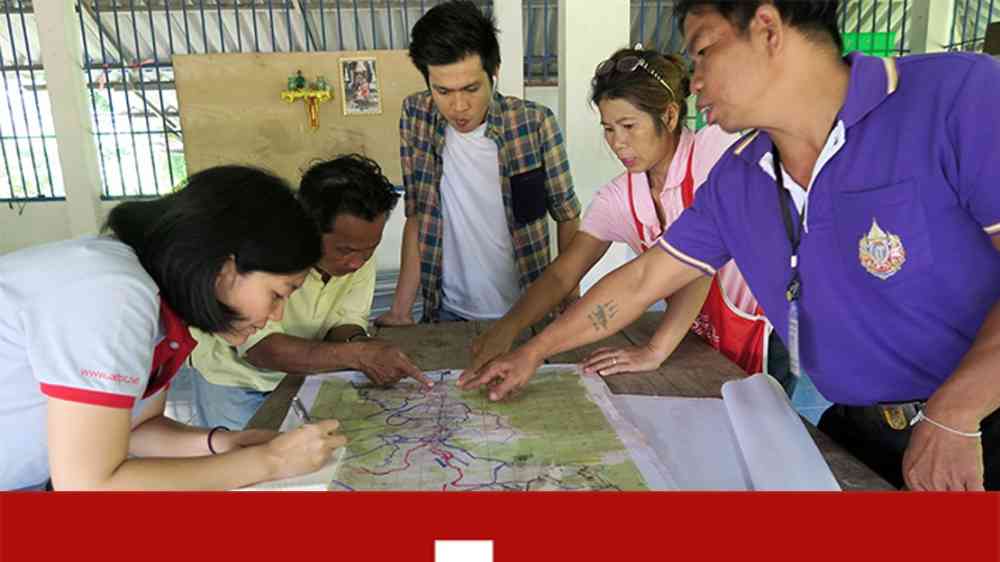
ADPC is an autonomous international organization committed to build the resilience of people and institutions to disasters and climate change impacts in Asia and the Pacific. We provide technical services across social and physical sciences to support sustainable solutions.
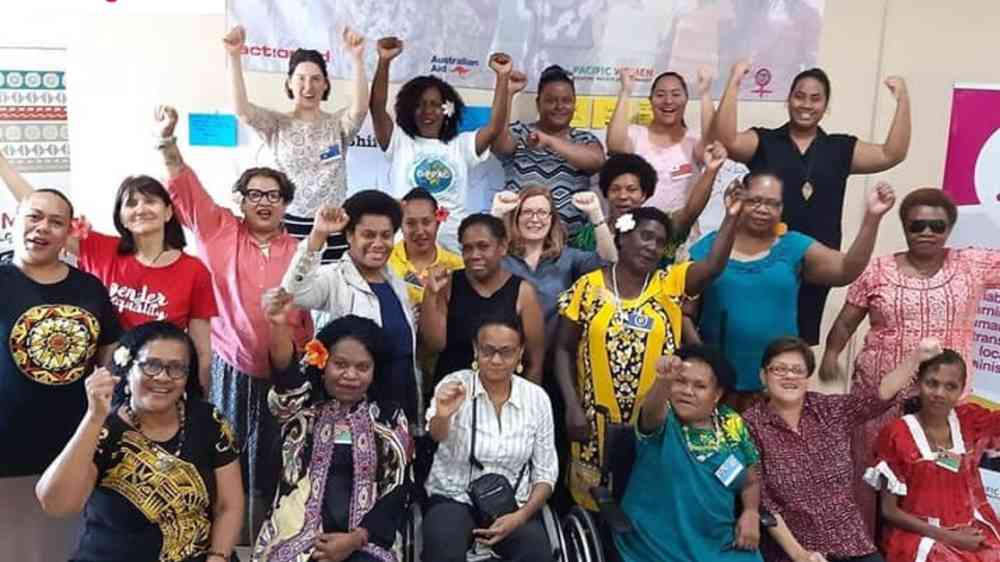
Shifting the Power Coalition is comprised of women’s rights and disability organisations across the Pacific region working together to strengthen diverse women’s voices, agency and decision making in disaster preparedness, response and recovery.
The disaster rehabilitation programme in Palu City Indonesia was launched in October 2019 with the solidarity initiative under platform of UCLG Taskforce for Territorial prevention and management of crisis which is fully supported by Cities Unies France (CUF) in collaboration with UCLG ASPAC.
The project works on community access to risk reduction information and tools in El Salvador. The information empowers the community to know their right to participate and improves community's safety and preparedness.
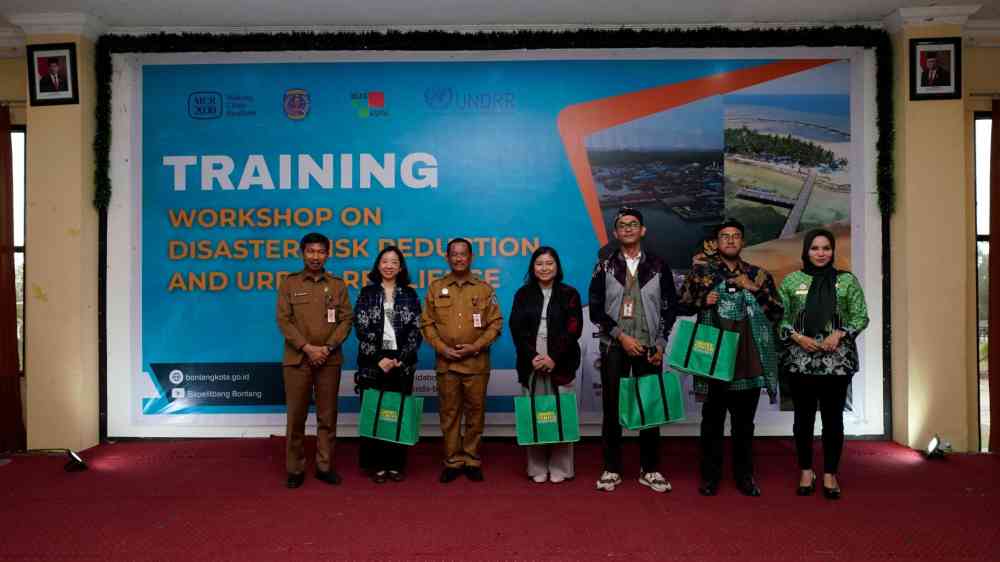
UCLG ASPAC received a request from its member, Bontang City to support the city’s disaster risk reduction and urban resilience efforts. In collaboration with the UNDRR, BNPB, and MoHA of Indonesia, UCLG ASPAC organised a training on DRR and Urban Resilience in Bontang on April 29-30, 2024.
The DRR4Africa project seeks to improve the resilience of three African cities from climate-induced disasters by collaboratively identifying the biggest disaster threats, and developing solutions packages tailored to these cities.
Youth for Good - Nepal conducted retrofitting workshops to enhance earthquake resilience in Nepal, focusing on using sustainable materials. Over 300 participants from Kathmandu district were trained, improving local capacity in disaster risk reduction and structural safety, aligning with the Sendai Framework for Disaster Risk Reduction.
Regional - China, India, Indonesia, Malaysia, Nepal, Pakistan, Philippines
GNDR is the largest international network of civil society organisations (CSOs) committed to strengthen resilience and reduce risk in communities. We connect frontline CSOs with policymaking institutions and governments, influence policies and practices, and strengthen capacities.