Community Mechanism for NbS and Eco-DRR in Guidimakha, Mauritania
This commitment strengthens climate and disaster resilience in Guidimakha, Mauritania through community-led Nature-based Solutions (NbS) and eco-DRR, addressing floods, drought, heatwaves and wildfires, with a replication and learning window for Nouakchott’s coastal/littoral resilience (2026–2028).
Description
Introduction – Mission and alignment with the Sendai Framework
Etablissement Bouga Té AgriServices is a Mauritania-based social enterprise working since 2015 to strengthen resilience in Sahelian territories through agroecology, ecosystem restoration and Nature-based Solutions (NbS). This voluntary commitment supports the Sendai Framework by promoting risk-informed development, community preparedness, inclusive governance and ecosystem-based approaches to reduce disaster risk and prevent climate shocks from turning into crises.
Body – Goal, scope and objectives
Goal: Strengthen climate and disaster resilience in the Guidimakha region (Mauritania) through community-led NbS and eco-DRR actions that address floods, drought, heatwaves and wildfires.
Scope: Local implementation in Guidimakha with a learning, replication and scaling window for Nouakchott’s coastal/littoral resilience and other Sahelian urban contexts (2026–2028).
SMART objectives (2026–2028):
- Support at least 2–3 pilot NbS/eco-DRR interventions (e.g., land restoration, watershed and wetland protection, soil and water conservation) to reduce flood and drought impacts.
- Deliver training and awareness activities for local authorities, women-led cooperatives and youth groups, strengthening preparedness and inclusive participation.
- Provide risk-informed planning support to at least 1–2 local governments, including prioritization of resilience actions and identification of feasible NbS measures.
- Establish a simple monitoring and learning system (baseline + indicators + evidence collection) to track ecosystem recovery, reduced risk and livelihood benefits.
Deliverables:
- NbS/eco-DRR concept notes and implementation roadmaps for pilots
- Community preparedness and awareness tools (including wildfire prevention practices)
- Stakeholder mapping and governance coordination support
- Monitoring indicators and short learning briefs documenting results and lessons
Conclusion – Final remarks
This commitment will contribute to strengthening local resilience capacities, protecting ecosystems and livelihoods, and advancing multi-stakeholder collaboration in line with the Sendai Framework. Bouga Té AgriServices welcomes partnerships through ARISE and MCR2030 to share knowledge and scale evidence-based NbS and eco-DRR practices.
Did the Sendai Framework change or contribute to changes in your activities/organization? If so, how?
The Sendai Framework strengthened our shift from reactive support to risk-informed, preventive action. It helped us structure our work around multi-hazard risk reduction (floods, drought, heatwaves and wildfires), ecosystem-based approaches (NbS/eco-DRR), and inclusive governance. Through ARISE and MCR2030, we increasingly integrate DRR into local planning and community preparedness, improve coordination with local authorities and technical services, and use simplified monitoring and learning to document outcomes. Sendai also reinforced our focus on inclusion (women and youth) and on translating global frameworks into practical action in Sahelian contexts.
What led you to make this commitment/initiative?
What was your position before making this Voluntary Commitment / prior to the Sendai Framework?
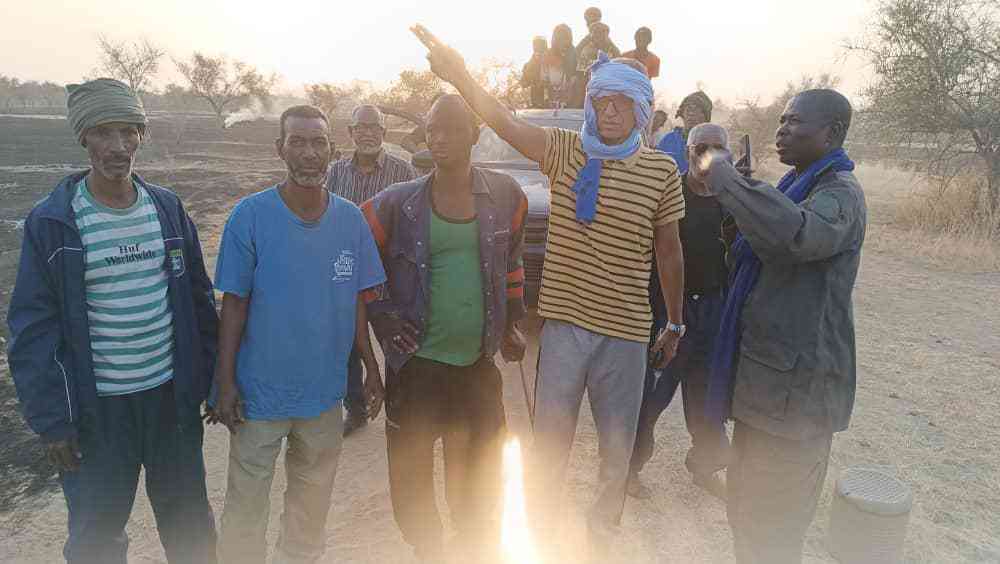
This commitment is inspired by repeated climate shocks observed in Guidimakha (southern Mauritania), where floods, drought, extreme heat and bushfires increasingly threaten livelihoods, ecosystems and settlements. In Wompou and surrounding areas, communities face land degradation, water stress and disaster impacts that require solutions beyond short-term response. My experience as a municipal councillor and as the founder of a social enterprise supporting farmers, women-led cooperatives and youth groups showed the need for a territorial, community-led mechanism that connects local priorities with scientific evidence and global frameworks. Nature-based Solutions offer a concrete pathway to reduce risks while restoring ecosystems and strengthening food and water security. This voluntary commitment aims to mobilize local and national partnerships (including ARISE/MCR2030) to pilot, document and scale eco-DRR practices, including wildfire prevention; preparedness and restoration.
Deliverables and Progress report
Deliverables
Deliverables are the end-products of the initiative/commitment, which can include issuance of publications or knowledge products, outcomes of workshops, training programs, videos, links, photographs, etc.
Design and initiation of 2–3 Nature-based Solutions (NbS) and eco-DRR pilot interventions in Guidimakha, such as land restoration, soil and water conservation measures, watershed/wetland protection, and locally appropriate risk-reduction practices. Deliverable includes short pilot concept notes, baseline observations, site selection rationale, and an implementation roadmap per pilot.
At least five capacity-building and awareness sessions delivered for local authorities, women-led cooperatives and youth groups in Guidimakha. Topics include eco-DRR and NbS, multi-hazard preparedness, risk-informed local planning, and practical wildfire prevention and response coordination. Output includes agenda, training materials, attendance lists, and summary notes.
Risk-informed planning support provided to 1–2 local governments in Guidimakha, resulting in a practical DRR and NbS action plan. The plan will include prioritized resilience actions, roles and responsibilities, feasible NbS measures, and a simple implementation timeline, aligned with the Sendai Framework and local development priorities.
Development and testing of a community wildfire prevention and preparedness toolkit for Guidimakha, including key messages, community roles and coordination guidance, basic prevention measures, and practical do’s and don’ts to reduce risks. The toolkit will be designed for local dissemination and use by community leaders and local services.
A simple monitoring and learning framework established to track progress and outcomes of the commitment. Includes baseline information, a set of indicators (ecosystem recovery, reduced exposure, livelihood benefits), data collection templates, and evidence documentation methods (photos, short field reports). Designed to support learning, accountability, and replication.
Two short learning briefs (1–2 pages each) produced to document progress, results and lessons learned from NbS/eco-DRR implementation in Guidimakha, including insights relevant to Nouakchott’s coastal/littoral resilience replication window. Briefs will be shared through ARISE/MCR2030 networks and other relevant platforms.
Organizations and focal points
Focal points
If a VC's contact information has been hidden, the SFVC team can forward a message.Partners