Contribute to DRR by the Economic Uplifting of Natural Hazards Prone Areas of Pakistan
Contribute to Disaster Risk Reduction (DRR) by applying state-of-the-art Digital Technologies and Remote Sensing tools to design economic uplifting projects encompassing DRR & utilizing local green natural infrastructure resources.
Description
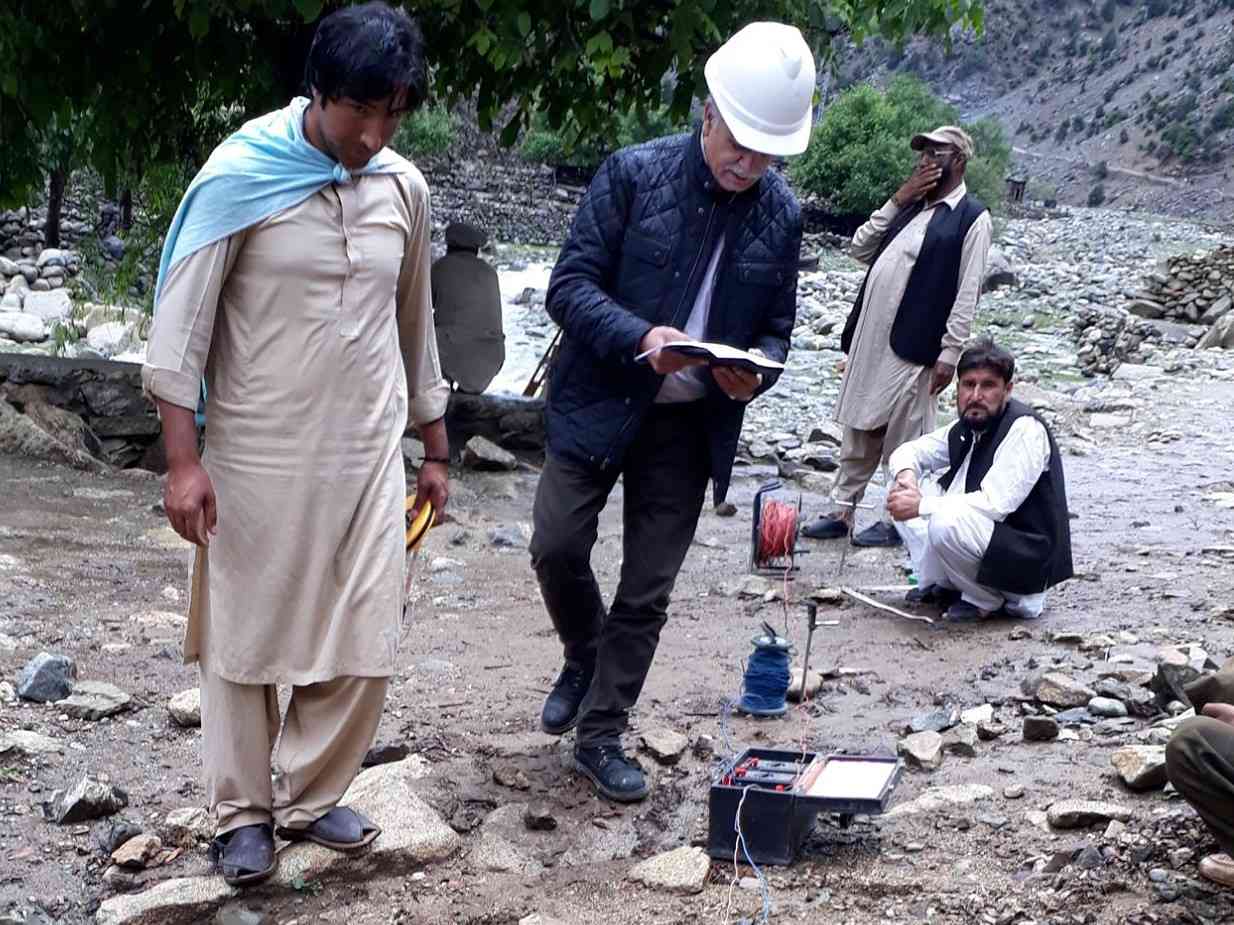
GCS Pakistan is one of the major privately owned ground investigation contractors in the Pakistan, providing quality data in the construction industry. We have a wealth of experience in geotechnical services such as civil works construction, investigation visit to sites for on-the-site assessment of surroundings, grounding of the most reasonable subsoil investigation programs, laboratory testing, assessment of field data and lab test results together with static and dynamic soil/design parameters. Our commitment is to make our services, using state-of-the-art digital technologies and remote sensing tools, available for embarking on projects related to DRR and the use of local green natural infrastructure resources with the goal of supporting the economic uplifting of disaster prone areas in Pakistan
People in disaster prone areas are typically poor and unable to tap their available natural resources. Here, Governments and other development stakeholders have an important role to intervene and find out ways to help vulnerable populations using planning & development tools to uplift their economic status and livelihood. Understanding the importance of DRR and nature-based solution, GCS Pakistan is ready to partner with Governments and other development stakeholders to strengthen the resilience of vulnerable populations.
Our projects implement a versatile approach and depends upon the area of intervention as well as financial & political support from the Governments and other stakeholders. As part of our deliverables, we plan to produce specific projects/programs. The role of GCS Pakistan will be specifically to aid the design of projects according to the available natural resources with the help of digital and remote sensing tools and guiding the stakeholders during its implementation
Did the Sendai Framework change or contribute to changes in your activities/organization? If so, how?
The Sendai Framework for Disaster Risk Reduction 2015-2030 is the global plan for reducing disaster losses. It has several connections with the 2030 Agenda for Sustainable Development. A strong point of agreement is that the resilience of communities is a necessary condition to enable their sustainable economic development. These documents update and strengthen the knowledge of stakeholders interested in DRR as a tool for poverty alleviation. In particular, our commitment is aligned with the Sendai Framework call for governments, private sector, civil society organizations, and other stakeholders to work more closely together and to create opportunities for collaboration, and for businesses to integrate disaster risk into their practices.
What led you to make this commitment/initiative?
What was your position before making this Voluntary Commitment / prior to the Sendai Framework?
GCS Pakistan was already finding some ways to help the poor who are more vulnerable to natural disasters which also deteriorate their economic conditions. The Sendai Framework Voluntary Commitments platform allowed us to structure and aligned our ideas to be more effectively aligned with the Sendai Framework. We are also motivated by the support to stakeholders to promote their activities and encourage the formation of partnerships to establish, disseminate and share good practices.
Deliverables and Progress report
Deliverables
Deliverables are the end-products of the initiative/commitment, which can include issuance of publications or knowledge products, outcomes of workshops, training programs, videos, links, photographs, etc.
The projects would be discussed with PPAF stakeholders and program would be finalized.
Porgress report
The following two NGOs, one from Khyber Pakhtunkhwa and another from Sindh were provided guidance for the implementation of the commitment:
1. "Rural Infrastructure & Human Resources Development Organization" Sarai Naurang, KPK, Pakistan.
2. "Women & Youth Development Organization" Jamshoro, Sindh, Pakistan.
Under the guidelines these were able to improve the economic status of the people of there areas and make their livelihood more secure and sustainable.
Rural Infrastructure & Human Resource Development Organization successfully launched their COVID-19 SOPs campaign to protect the people from this pandemic at a large scale by organizing workshops, online events and participating in world over virtual events. See website:-
https://web.facebook.com/Rural-Infrastructure-Human-Resource-Development-Organization-456187241258293
Women & Youth Development Organization started to promote the socio-economic status, gender equity, equality and empowerment of Women, Youth and community at large by creating enabling environment, capacity building, advocacy, provide entrepreneurship skills, social services and social mobilization, develop mechanisms to enhance protection of vulnerable groups.
https://web.facebook.com/wydojamshoro.org